Items filtered by date: November 2024
Get Proper Treatment for Ankle Injuries

If you're experiencing ankle pain, you may be suffering from an ankle injury. Sprains, fractures, Achilles tendonitis, and Achilles tendon ruptures are just some examples of potential ankle injuries. Don't wait for care for an ankle injury, as it may worsen over time. We can help!
Custom Orthotics For Ankle Stability

Step with assurance, thanks to enhanced ankle stability from orthotics! If you're active and on the move, Custom Orthotics are your ally for stronger, steadier ankles. They align your foot and ankle, reducing the risk of sprains and offering solid support for every stride. Don’t let instability hold you back. Try Custom Orthotics from our office, and discover unshakable confidence in every step!
Diabetic Neuropathy and the Feet

Diabetic neuropathy is nerve damage that frequently affects the feet and lower leg. It results from high blood sugar levels, causing numbness, tingling, or burning sensations in the feet, along with muscle weakness that can impact walking. Reduced sensation also makes it difficult to feel injuries, leading to unnoticed cuts or sores that heal slowly. Left untreated, these injuries may worsen, heightening the risk of infections and ulcers. For those with diabetic neuropathy, routine foot care is essential to prevent complications. A podiatrist can assist by evaluating the feet, monitoring any signs of damage, and providing guidance on footwear and skin care. This foot doctor can also suggest lifestyle modifications to support foot health and help manage the condition effectively. Regular checkups with a podiatrist help to reduce the risk of severe foot problems that are associated with diabetic neuropathy. If you have symptoms of neuropathy in the feet, it is suggested that you schedule an appointment with a podiatrist for an exam and regular treatment.
Neuropathy
Neuropathy can be a potentially serious condition, especially if it is left undiagnosed. If you have any concerns that you may be experiencing nerve loss in your feet, consult with one of our podiatrists from BayCity Associates in Podiatry . Our doctors will assess your condition and provide you with quality foot and ankle treatment for neuropathy.
What Is Neuropathy?
Neuropathy is a condition that leads to damage to the nerves in the body. Peripheral neuropathy, or neuropathy that affects your peripheral nervous system, usually occurs in the feet. Neuropathy can be triggered by a number of different causes. Such causes include diabetes, infections, cancers, disorders, and toxic substances.
Symptoms of Neuropathy Include:
- Numbness
- Sensation loss
- Prickling and tingling sensations
- Throbbing, freezing, burning pains
- Muscle weakness
Those with diabetes are at serious risk due to being unable to feel an ulcer on their feet. Diabetics usually also suffer from poor blood circulation. This can lead to the wound not healing, infections occurring, and the limb may have to be amputated.
Treatment
To treat neuropathy in the foot, podiatrists will first diagnose the cause of the neuropathy. Figuring out the underlying cause of the neuropathy will allow the podiatrist to prescribe the best treatment, whether it be caused by diabetes, toxic substance exposure, infection, etc. If the nerve has not died, then it’s possible that sensation may be able to return to the foot.
Pain medication may be issued for pain. Electrical nerve stimulation can be used to stimulate nerves. If the neuropathy is caused from pressure on the nerves, then surgery may be necessary.
If you have any questions, please feel free to contact our offices located in Erie, PA and Meadville, PA . We offer the newest diagnostic and treatment technologies for all your foot care needs.
Custom Orthotics as an Adjunct Foot Treatment
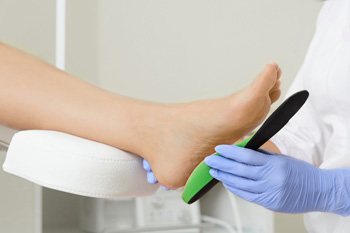
Custom orthotics serve as an important tool in managing soft tissue, bone injuries, and neurological conditions affecting the feet and ankles. They work by redistributing pressure, stabilizing joints, and improving overall alignment, which can help reduce strain on soft tissues and promote healing of bone injuries. In cases of neurological changes, custom orthotics can provide additional support and improve balance and mobility. Orthotics are often used alongside other treatments, such as targeted exercises or medication, to address underlying impairments and improve gait. Setting clear treatment goals is essential to determine the best orthotic solution, whether targeting pain relief, enhanced mobility, or correcting biomechanical issues. Custom orthotics ensure a proper fit and function. While generally not a standalone treatment, custom orthotics play a vital role in achieving better outcomes and improving quality of life. If you have foot or ankle pain, problems, or injury, it is suggested that you schedule an appointment with a podiatrist for an evaluation and determination if orthotics can help you.
Custom orthotics play an important role in preventing and treating foot and ankle injuries by providing personalized support that aligns with the unique structure of each foot. These specially designed devices help correct biomechanical imbalances, reduce pressure on sensitive areas, and improve stability during movement. When the feet are properly supported, the risk of developing conditions such as plantar fasciitis, Achilles tendinitis, and ankle sprains can be significantly reduced. Custom orthotics also help relieve discomfort caused by having flat feet, high arches, or uneven leg length, which may contribute to recurring injuries or pain.
Foot and ankle injuries can develop gradually from repetitive strain or occur suddenly during physical activity. Without proper treatment, these injuries can affect mobility and overall quality of life. Orthotics work to redistribute weight evenly across the foot, allowing joints and muscles to function more efficiently. This not only supports recovery from injury but can also prevent future problems by promoting better posture and alignment throughout the lower body.
Unlike over-the-counter inserts, custom orthotics are designed based on a detailed evaluation of each patient’s foot structure, gait, and medical needs. Podiatrists use advanced imaging and diagnostic tools to create orthotics that fit precisely and provide targeted correction. Whether used in everyday footwear or athletic shoes, custom orthotics can improve comfort, enhance performance, and support long-term foot health.
If you are experiencing foot or ankle pain or have sustained an injury that has not improved with rest, it is suggested that you schedule an appointment with a podiatrist. Call our office for more information or to make an appointment.
If you have any questions, please feel free to contact our offices located in Erie, PA and Meadville, PA .
Foot Wound Healing Delayed in Diabetic Patients
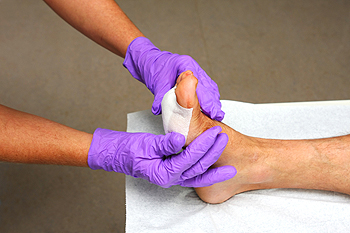
Foot wounds in diabetics often take longer to heal due to several interconnected factors. Elevated blood sugar levels can impair circulation, reducing blood flow to the extremities and hindering the delivery of essential nutrients and oxygen required for healing. Additionally, diabetes can damage nerves, leading to reduced sensation in the feet, which may cause injuries to go unnoticed and untreated. Furthermore, weakened immune responses in diabetic patients can increase the risk of infections, complicating the healing process. The combination of these factors creates a challenging environment for wound recovery, making it essential for diabetics to monitor their foot health closely. Regular check-ups from a podiatrist and proactive care can significantly reduce the risk of complications. If you have diabetes and have developed a foot wound, it is strongly suggested that you are under the care of this type of doctor who can help you to manage this condition.
Wound care is an important part in dealing with diabetes. If you have diabetes and a foot wound or would like more information about wound care for diabetics, consult with one of our podiatrists from BayCity Associates in Podiatry . Our doctors will assess your condition and provide you with quality foot and ankle treatment.
What Is Wound Care?
Wound care is the practice of taking proper care of a wound. This can range from the smallest to the largest of wounds. While everyone can benefit from proper wound care, it is much more important for diabetics. Diabetics often suffer from poor blood circulation which causes wounds to heal much slower than they would in a non-diabetic.
What Is the Importance of Wound Care?
While it may not seem apparent with small ulcers on the foot, for diabetics, any size ulcer can become infected. Diabetics often also suffer from neuropathy, or nerve loss. This means they might not even feel when they have an ulcer on their foot. If the wound becomes severely infected, amputation may be necessary. Therefore, it is of the upmost importance to properly care for any and all foot wounds.
How to Care for Wounds
The best way to care for foot wounds is to prevent them. For diabetics, this means daily inspections of the feet for any signs of abnormalities or ulcers. It is also recommended to see a podiatrist several times a year for a foot inspection. If you do have an ulcer, run the wound under water to clear dirt from the wound; then apply antibiotic ointment to the wound and cover with a bandage. Bandages should be changed daily and keeping pressure off the wound is smart. It is advised to see a podiatrist, who can keep an eye on it.
If you have any questions please contact our offices located in Erie, PA and Meadville, PA . We offer the newest diagnostic and treatment technologies for all your foot and ankle needs.
