Items filtered by date: June 2026
Nighttime Foot Pain and What It Could Mean

Foot pain that becomes worse at night can be frustrating and disruptive. Aching, burning, or throbbing pain can make it difficult to fall asleep or stay asleep. Nighttime foot pain can develop from conditions that affect the bones, joints, nerves, or soft tissues of the feet. One common cause is plantar fasciitis, which is irritation of a band of tissue that supports the arch. Although plantar fasciitis is known for causing pain with the first steps in the morning, some people also notice discomfort when resting at night. Arthritis can also lead to aching pain and stiffness after a day of activity. Foot pain at night can be linked to inflammation that becomes more noticeable when the body is at rest.
Nerve-related problems are another possible source of nighttime foot pain. Nerves that become compressed or irritated can produce burning, tingling, or shooting sensations. Peripheral neuropathy, a condition that involves damaged nerves, can also cause discomfort that feels stronger in the evening hours. Diabetes is one of the leading causes of this type of nerve damage. Other foot conditions associated with nighttime pain include bunions, Morton’s neuroma, and tendon injuries. Morton’s neuroma develops when a nerve between the toes becomes irritated, leading to burning pain and numbness. A podiatrist can determine the cause of pain through a physical examination, a review of medical history, and X-rays or other imaging studies, when necessary.
Because nighttime foot pain has many possible causes, obtaining an accurate diagnosis is important. Once the podiatrist identifies the source of the problem, treatment options follow. Included are custom orthotics, medication, or other medical therapies designed to reduce pain and improve foot function. Early evaluation can also help detect underlying health conditions that contribute to ongoing discomfort. Addressing the problem promptly can improve sleep quality and help patients return to normal daily activities with greater comfort. If you have foot pain at night, it is suggested that you schedule an appointment with a podiatrist for an exam and appropriate treatment.
Foot Pain
Foot pain can be extremely painful and debilitating. If you have a foot pain, consult with one of our podiatrists from BayCity Associates in Podiatry . Our doctors will assess your condition and provide you with quality foot and ankle treatment.
Causes
Foot pain is a very broad condition that could be caused by one or more ailments. The most common include:
- Bunions
- Hammertoes
- Plantar Fasciitis
- Bone Spurs
- Corns
- Tarsal Tunnel Syndrome
- Ingrown Toenails
- Arthritis (such as Gout, Rheumatoid, and Osteoarthritis)
- Flat Feet
- Injury (from stress fractures, broken toe, foot, ankle, Achilles tendon ruptures, and sprains)
- And more
Diagnosis
To figure out the cause of foot pain, podiatrists utilize several different methods. This can range from simple visual inspections and sensation tests to X-rays and MRI scans. Prior medical history, family medical history, and any recent physical traumatic events will all be taken into consideration for a proper diagnosis.
Treatment
Treatment depends upon the cause of the foot pain. Whether it is resting, staying off the foot, or having surgery; podiatrists have a number of treatment options available for foot pain.
If you have any questions, please feel free to contact our offices located in Erie, PA and Meadville, PA . We offer the newest diagnostic and treatment technologies for all your foot care needs.
Helping to Ease the Pain and Swelling of Tarsal Tunnel Syndrome
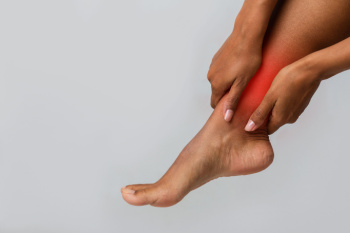
The posterior tibial nerve that runs down your ankle to your foot is encased in the narrow tarsal tunnel along with tendons and blood vessels. When that nerve becomes compressed by an ankle sprain, arthritis, or overuse, it can become inflamed and painful, causing tarsal tunnel syndrome. Gentle exercises that gradually build strength and flexibility may help reduce swelling and pain. However, it is important to start off slowly, and pace yourself as you do not want to make the situation worse. Before attempting any exercise it is suggested that you consult with a podiatrist to determine if you have tarsal tunnel syndrome. In addition this foot doctor can also confirm which exercises are safe for you and suggest a treatment plan that is beneficial for reducing pain and swelling, while helping the ankle heal.
Tarsal tunnel syndrome can be very uncomfortable to live with. If you are experiencing tarsal tunnel syndrome, contact one of our podiatrists of BayCity Associates in Podiatry . Our doctors can provide the care you need to keep you pain-free and on your feet.
Tarsal Tunnel Syndrome
Tarsal tunnel syndrome, which can also be called tibial nerve dysfunction, is an uncommon condition of misfiring peripheral nerves in the foot. The tibial nerve is the peripheral nerve in the leg responsible for sensation and movement of the foot and calf muscles. In tarsal tunnel syndrome, the tibial nerve is damaged, causing problems with movement and feeling in the foot of the affected leg.
Common Cause of Tarsal Tunnel Syndrome
- Involves pressure or an injury, direct pressure on the tibial nerve for an extended period of time, sometimes caused by other body structures close by or near the knee.
- Diseases that damage nerves, including diabetes, may cause tarsal tunnel syndrome.
- At times, tarsal tunnel syndrome can appear without an obvious cause in some cases.
The Effects of Tarsal Tunnel Syndrome
- Different sensations, an afflicted person may experience pain, tingling, burning or other unusual sensations in the foot of the affected leg.
- The foot muscles, toes and ankle become weaker, and curling your toes or flexing your foot can become difficult.
- If condition worsens, infections and ulcers may develop on the foot that is experiencing the syndrome.
A physical exam of the leg can help identify the presence of tarsal tunnel syndrome. Medical tests, such as a nerve biopsy, are also used to diagnose the condition. Patients may receive physical therapy and prescriptive medication. In extreme cases, some may require surgery.
If you have any questions please contact our offices located in Erie, PA and Meadville, PA . We offer the newest diagnostic and treatment technologies for all your foot and ankle needs.
Reasons Your Toenails May Hurt
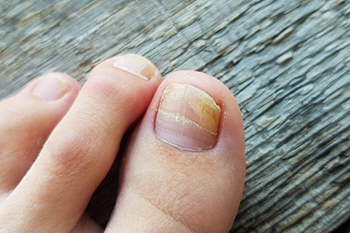
Toenail pain can make it difficult to wear shoes or walk comfortably. Several problems can cause this type of pain. An ingrown toenail occurs when the edge of the nail grows into the surrounding skin. This leads to redness, swelling, and tenderness. Fungal infections can also cause discomfort and usually include thick, discolored, or brittle nails. Injuries from stubbing the toe or wearing tight shoes can cause bruising under the nail and sharp pain. In some cases, the toenail may loosen or lift from the skin beneath it. People with diabetes or poor circulation are at greater risk for toenail problems because small injuries can become serious more quickly. A podiatrist can examine the toenail, identify the cause of the pain, and provide proper treatment to help prevent infection or long-term damage. If you have ongoing toenail pain, it is suggested that you schedule an appointment with a podiatrist for appropriate treatment solutions.
Toe pain can disrupt your daily activities. If you have any concerns, contact one of our podiatrists of BayCity Associates in Podiatry . Our doctors can provide the care you need to keep you pain-free and on your feet.
What Causes Toe Pain?
Most severe toe pain is caused due to a sports injury, trauma from dropping something heavy on the toe, or bumping into something rigid. Other problems can develop over time for various reasons.
Toe pain can be caused by one or more ailments. The most common include:
- Trauma
- Sports injury
- Wearing shoes that are too tight
- Arthritis
- Gout
- Corns and calluses
- Hammertoe
- Bunions
- Blisters
- Ingrown toenails
- Sprains
- Fractures (broken bones)
- Dislocations
When to See a Podiatrist
- Severe pain
- Persistent pain that lasts more than a week
- Signs of infection
- Continued swelling
- Pain that prevents walking
Diagnosis
In many cases the cause of toe pain is obvious, but in others, a podiatrist may want to use more advanced methods to determine the problem. These can range from simple visual inspections and sensation tests to X-rays and MRI scans. Prior medical history, family medical history, and any recent physical traumatic events will all be taken into consideration for a proper diagnosis.
Treatment
Treatments for toe pain and injuries vary and may include shoe inserts, padding, taping, medicines, injections, and in some cases, surgery. If you believe that you have broken a toe, please see a podiatrist as soon as possible.
If you have any questions please contact our offices located in Erie, PA and Meadville, PA . We offer the newest diagnostic and treatment technologies for all your foot and ankle needs.
Causes and Treatment of Diabetic Foot Ulcers
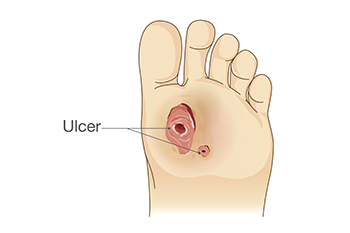
Diabetic foot ulcers are slow-healing wounds that often develop on the feet of people with diabetes. They occur when high blood sugar damages nerves and blood vessels. Nerve damage reduces feeling in the feet, so small injuries may go unnoticed. Poor circulation limits blood flow, which slows healing and increases the risk of infection. Common causes of diabetic foot ulcers include repeated pressure, cuts on the feet, and skin irritation that does not heal. Symptoms include open sores, redness, drainage, and surrounding skin changes. A podiatrist can examine the ulcer, assess blood flow and sensation, and determine the severity. Treatment includes removing damaged tissue, controlling infection, and using wound dressings. Imaging may be used to check deeper structures. Ongoing care helps prevent more serious complications and supports healing. If you have symptoms of diabetic foot ulcers, it is suggested that you make an appointment with a podiatrist for a diagnosis and ongoing treatment.
Diabetic foot care is important in preventing foot ailments such as ulcers. If you are suffering from diabetes or have any other concerns about your feet, contact one of our podiatrists from BayCity Associates in Podiatry . Our doctors can provide the care you need to keep you pain-free and on your feet.
Diabetic Foot Care
Diabetes affects millions of people every year. The condition can damage blood vessels in many parts of the body, especially the feet. Because of this, taking care of your feet is essential if you have diabetes, and having a podiatrist help monitor your foot health is highly recommended.
The Importance of Caring for Your Feet
- Routinely inspect your feet for bruises or sores.
- Wear socks that fit your feet comfortably.
- Wear comfortable shoes that provide adequate support.
Patients with diabetes should have their doctor monitor their blood levels, as blood sugar levels play such a huge role in diabetic care. Monitoring these levels on a regular basis is highly advised.
It is always best to inform your healthcare professional of any concerns you may have regarding your feet, especially for diabetic patients. Early treatment and routine foot examinations are keys to maintaining proper health, especially because severe complications can arise if proper treatment is not applied.
If you have any questions, please feel free to contact our offices located in Erie, PA and Meadville, PA . We offer the newest diagnostic and treatment technologies for all your foot care needs.
Heel Pain Can Be Treated!

Do you suffer from heel pain when you get up in the morning? If so, you should seek professional help and have a proper diagnosis performed. Heel pain can be caused by several different foot-related conditions.
Slowing the Progression of Bunions

A bunion is a bony bump that forms at the base of the big toe as the joint gradually shifts out of alignment. While bunions may worsen over time, certain steps can help reduce stress on the joint and slow progression. Wearing shoes with a wide toe box can help limit pressure that pushes the toes inward. Wearing supportive footwear and custom orthotics may improve foot mechanics and reduce strain during walking. Maintaining a healthy activity routine while avoiding repetitive pressure that increases pain may also help. In some cases, strengthening and stretching exercises may improve joint function and comfort. A podiatrist can evaluate the severity of the bunion, assess walking patterns, and recommend strategies based on your foot structure and symptoms. Early management may help delay worsening and reduce discomfort during daily activity. If you notice a bunion becoming more painful or more noticeable, it is suggested that you visit a podiatrist who can help you to manage this condition.
If you are suffering from bunions, contact one of our podiatrists of BayCity Associates in Podiatry . Our doctors can provide the care you need to keep you pain-free and on your feet.
What Is a Bunion?
A bunion is formed of swollen tissue or an enlargement of boney growth, usually located at the base joint of the toe that connects to the foot. The swelling occurs due to the bones in the big toe shifting inward, which impacts the other toes of the foot. This causes the area around the base of the big toe to become inflamed and painful.
Why Do Bunions Form?
Genetics – Susceptibility to bunions are often hereditary
Stress on the feet – Poorly fitted and uncomfortable footwear that places stress on feet, such as heels, can worsen existing bunions
How Are Bunions Diagnosed?
Podiatrists often perform two tests – blood tests and x-rays – when trying to diagnose bunions, especially in the early stages of development. Blood tests help determine if the foot pain is being caused by something else, such as arthritis, while x-rays provide a clear picture of your bone structure to your provider.
How Are Bunions Treated?
- Refrain from wearing heels or similar shoes that cause discomfort
- Select wider shoes that can provide more comfort and reduce pain
- Anti-inflammatory and pain management drugs
- Orthotics or foot inserts
- Surgery
If you have any questions, please feel free to contact our offices located in Erie, PA and Meadville, PA . We offer the newest diagnostic and treatment technologies for all your foot care needs.
