Items filtered by date: August 2026
How a Podiatrist Can Help With Achilles Tendon Injuries
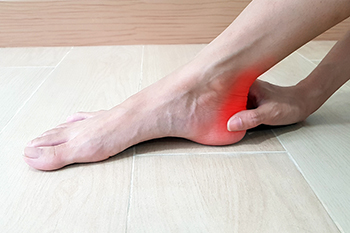
Achilles tendon injuries can cause pain and stiffness at the back of the ankle. The Achilles tendon is the strong band of tissue that connects the calf muscle to the heel. One condition affecting this area is Achilles tendinopathy, sometimes called tendinitis. Symptoms can develop gradually or appear suddenly. Patients can notice swelling, tenderness, or mild warmth around the tendon. Pain can become worse with movement or exercise. Stiffness can be stronger in the morning or after resting, while reduced ankle strength can make normal movement more difficult.
Achilles tendinopathy can affect both active and inactive people. A sudden increase in exercise can place more stress on the tendon than it is prepared to handle. Starting a new sport or increasing training intensity can have a similar effect. Long periods of standing can also contribute. Wearing shoes that fit poorly or are not suited to an activity can place added stress on the foot and ankle. Other factors linked with Achilles tendon problems include smoking, excess body weight, and certain health conditions. Understanding the source of the strain can help guide treatment and reduce continued stress on the tendon.
A podiatrist can evaluate an Achilles tendon injury by examining the painful area and checking foot and ankle movement. The assessment can also look at strength, walking patterns, and activities that increase symptoms. Treatment can focus on reducing strain while supporting healthy movement and tendon function. A podiatrist can recommend activity changes, targeted exercises, or shoe modifications based on the patient's condition. Care can also address foot mechanics that place extra pressure on the Achilles tendon. Persistent symptoms or worsening pain deserve a professional evaluation. If you have an Achilles tendon injury, it is suggested that you schedule an appointment with a podiatrist for a diagnosis and appropriate treatment.
Achilles tendon injuries need immediate attention to avoid future complications. If you have any concerns, contact one of our podiatrists of BayCity Associates in Podiatry . Our doctors can provide the care you need to keep you pain-free and on your feet.
What Is the Achilles Tendon?
The Achilles tendon is a tendon that connects the lower leg muscles and calf to the heel of the foot. It is the strongest tendon in the human body and is essential for making movement possible. Because this tendon is such an integral part of the body, any injuries to it can create immense difficulties and should immediately be presented to a doctor.
What Are the Symptoms of an Achilles Tendon Injury?
There are various types of injuries that can affect the Achilles tendon. The two most common injuries are Achilles tendinitis and ruptures of the tendon.
Achilles Tendinitis Symptoms
- Inflammation
- Dull to severe pain
- Increased blood flow to the tendon
- Thickening of the tendon
Rupture Symptoms
- Extreme pain and swelling in the foot
- Total immobility
Treatment and Prevention
Achilles tendon injuries are diagnosed by a thorough physical evaluation, which can include an MRI. Treatment involves rest, physical therapy, and in some cases, surgery. However, various preventative measures can be taken to avoid these injuries, such as:
- Thorough stretching of the tendon before and after exercise
- Strengthening exercises like calf raises, squats, leg curls, leg extensions, leg raises, lunges, and leg presses
If you have any questions please feel free to contact our offices located in Erie, PA and Meadville, PA . We offer the newest diagnostic tools and technology to treat your foot and ankle needs.
Causes and Symptoms of Athlete’s Foot Explained
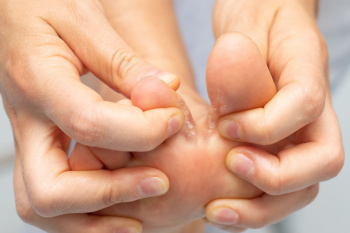
Athlete’s foot is a contagious fungal infection that affects the outer layer of the skin on the feet. It commonly develops in areas where moisture is trapped, creating an ideal environment for fungal growth. The infection is often seen in individuals who frequently use shared spaces, such as gyms or swimming areas. Because it spreads easily, understanding the causes and symptoms of athlete’s foot is important for protecting foot health and preventing recurrence.
The symptoms of athlete’s foot can vary but often include persistent itching, redness, and irritation between the toes. The skin may become flaky, cracked, or soft due to prolonged moisture exposure. Some individuals experience a burning sensation or mild pain, especially when the skin becomes damaged. In more advanced cases, blisters or ulcers may form. These symptoms can interfere with daily comfort and may worsen without proper care.
Risk factors for athlete’s foot include wearing damp socks, using tight-fitting shoes, and having prolonged exposure to humid conditions. Walking barefoot in public places increases the chance of coming into contact with the fungus. Additional causes include poor foot hygiene and not allowing shoes to dry properly between uses. People who sweat heavily or have a compromised immune system may also be at higher risk for infection.
Managing athlete’s foot requires attention to hygiene and environmental factors. Keeping the feet dry, changing socks regularly, and using antifungal products can help control the infection. Avoiding shared personal items and disinfecting footwear can reduce the chance of reinfection. Taking preventive steps supports long-term foot health and comfort. If you have symptoms of athlete’s foot, it is suggested that you consult a podiatrist for effective treatment solutions, which may include prescribed medication.
Athlete’s Foot
Athlete’s foot is often an uncomfortable condition to experience. Thankfully, podiatrists specialize in treating athlete’s foot and offer the best treatment options. If you have any questions about athlete’s foot, consult with one of our podiatrists from BayCity Associates in Podiatry . Our doctors will assess your condition and provide you with quality treatment.
What Is Athlete’s Foot?
Tinea pedis, more commonly known as athlete’s foot, is a non-serious and common fungal infection of the foot. Athlete’s foot is contagious and can be contracted by touching someone who has it or infected surfaces. The most common places contaminated by it are public showers, locker rooms, and swimming pools. Once contracted, it grows on feet that are left inside moist, dark, and warm shoes and socks.
Prevention
The most effective ways to prevent athlete’s foot include:
- Thoroughly washing and drying feet
- Avoid going barefoot in locker rooms and public showers
- Using shower shoes in public showers
- Wearing socks that allow the feet to breathe
- Changing socks and shoes frequently if you sweat a lot
Symptoms
Athlete’s foot initially occurs as a rash between the toes. However, if left undiagnosed, it can spread to the sides and bottom of the feet, toenails, and if touched by hand, the hands themselves. Symptoms include:
- Redness
- Burning
- Itching
- Scaly and peeling skin
Diagnosis and Treatment
Diagnosis is quick and easy. Skin samples will be taken and either viewed under a microscope or sent to a lab for testing. Sometimes, a podiatrist can diagnose it based on simply looking at it. Once confirmed, treatment options include oral and topical antifungal medications.
If you have any questions, please feel free to contact our offices located in Erie, PA and Meadville, PA . We offer the newest diagnostic and treatment technologies for all your foot care needs.
Reminder: When Was the Last Time...?
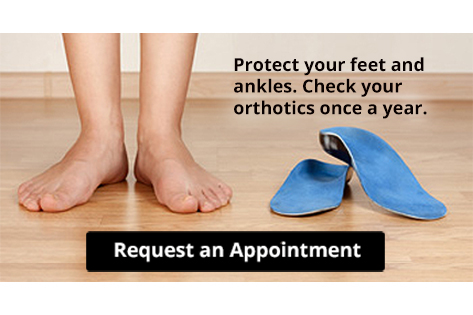
Custom orthotics, or shoe inserts, should be periodically replaced. Orthotics must fit properly to give you the best results. Protect your feet and ankles!
How to Properly Fit Shoes for Healthy Feet
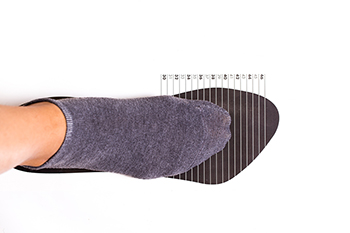
Proper shoe fitting is essential for maintaining foot health and preventing common foot problems. Shoes that fit correctly support natural movement, reduce pressure points, and improve overall comfort during daily activities. Wearing ill-fitting shoes can lead to pain, instability, and long-term complications. Learning how to measure and select the right shoe size helps protect the feet and supports proper alignment. A well-fitted shoe should provide enough room for the toes, secure support around the heel, and balanced cushioning throughout the foot.
To achieve an accurate fit, it is important to measure the feet at the end of the day when they are slightly swollen. Wearing the same type of socks that will be used with the shoes can also improve accuracy. Another helpful method is to trace the foot on paper and compare the outline against a shoe size chart. Trying on both shoes and walking around allows for a better sense of fit and support.
Wearing shoes that do not fit properly can lead to a range of foot problems. Common issues include blisters, bunions, hammertoes, and toenail damage. Shoes that are too tight may cause pressure and irritation, while shoes that are too loose can lead to instability and friction. These problems can affect posture, walking patterns, and overall foot function. Poor shoe fit may also contribute to heel pain, arch strain, and nerve irritation.
Choosing the right shoes and ensuring a proper fit can improve comfort, reduce injury risk, and support long-term foot health. Paying attention to sizing, width, and support features helps create a better fit for daily activities and exercise. Regularly checking shoe condition and replacing worn footwear is also important for maintaining support. If you have foot pain or difficulty finding shoes that fit properly, it is suggested that you consult a podiatrist for effective relief tips and guidance on proper shoe fit.
It is important to find shoes that fit you properly in order to avoid a variety of different foot problems. For more information about treatment, contact one of our podiatrists from BayCity Associates in Podiatry . Our doctors will treat your foot and ankle needs.
Proper Shoe Fitting
Shoes have many different functions. They cushion our body weight, protect our feet, and allow us to safely play sports. You should always make sure that the shoes you wear fit you properly in order to avoid injuries and deformities such as: bunions, corns, calluses, hammertoes, plantar fasciitis, stress fractures, and more. It is important to note that although a certain pair of shoes might be a great fit for someone else, that doesn’t mean they will be a great fit for you. This is why you should always try on shoes before buying them to make sure they are worth the investment. Typically, shoes need to be replaced ever six months to one year of regular use.
Tips for Proper Shoe Fitting
- Select a shoe that is shaped like your foot
- Don’t buy shoes that fit too tight, expecting them to stretch to fit
- Make sure there is enough space (3/8” to ½”) for your longest toe at the end of each shoe when you are standing up
- Walk in the shoes to make sure they fit and feel right
- Don’t select shoes by the size marked inside the shoe, but by how the shoe fits your foot
The shoes you buy should always feel as good as they look. Shoes that fit properly will last longer, feel better, and improve your way of life each day.
If you have any questions please contact our offices located in Erie, PA and Meadville, PA . We offer the newest diagnostic and treatment technologies for all your foot and ankle needs.
Symptoms of Heel Spurs
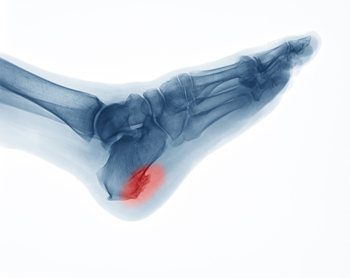
A heel spur is a bony growth that develops on the underside of the heel bone due to long-term stress and strain. It often forms where the plantar fascia attaches to the heel, creating irritation over time. Although the spur itself may not always cause pain, it is commonly associated with inflammation in the surrounding tissues. Heel spurs are frequently linked to plantar fasciitis, which can worsen discomfort during daily activities. Understanding this condition helps individuals recognize symptoms early and seek appropriate care.
Heel spur pain is often described as a sharp or stabbing sensation in the bottom of the heel, especially during the first steps in the morning. As the day progresses, the pain may become a dull ache that worsens with prolonged standing or walking. Some individuals report tenderness when pressing on the heel or a feeling of tightness along the arch. Swelling and mild inflammation may also be present. These symptoms can interfere with normal movement and reduce overall comfort.
Several risk factors contribute to the development of heel spurs. Repetitive stress from walking, running, or standing for long periods of time can strain the plantar fascia. Poor foot mechanics, such as flat feet or high arches, may increase tension on the heel. Wearing unsupportive footwear can worsen the condition by failing to absorb shock. Age-related changes in tissue flexibility and a history of foot strain also play a role. These factors can lead to gradual damage that results in heel pain over time.
Managing heel spurs involves reducing stress on the heel and improving foot support. Wearing properly fitted shoes with cushioning and arch support can help relieve pressure. Stretching exercises for the foot and calf may improve flexibility and reduce tension. Early evaluation is important to prevent worsening symptoms. If you have persistent heel pain, it is suggested that you consult a podiatrist who can accurately diagnose and treat heel spurs.
Heel spurs can be incredibly painful and sometimes may make you unable to participate in physical activities. To get medical care for your heel spurs, contact one of our podiatrists from BayCity Associates in Podiatry . Our doctors will do everything possible to treat your condition.
Heels Spurs
Heel spurs are formed by calcium deposits on the back of the foot where the heel is. This can also be caused by small fragments of bone breaking off one section of the foot, attaching onto the back of the foot. Heel spurs can also be bone growth on the back of the foot and may grow in the direction of the arch of the foot.
Older individuals usually suffer from heel spurs and pain sometimes intensifies with age. One of the main condition's spurs are related to is plantar fasciitis.
Pain
The pain associated with spurs is often because of weight placed on the feet. When someone is walking, their entire weight is concentrated on the feet. Bone spurs then have the tendency to affect other bones and tissues around the foot. As the pain continues, the feet will become tender and sensitive over time.
Treatments
There are many ways to treat heel spurs. If one is suffering from heel spurs in conjunction with pain, there are several methods for healing. Medication, surgery, and herbal care are some options.
If you have any questions, please feel free to contact our offices located in Erie, PA and Meadville, PA . We offer the newest diagnostic and treatment technologies for all your foot care needs.
