Items filtered by date: July 2026
Reducing Poor Circulation
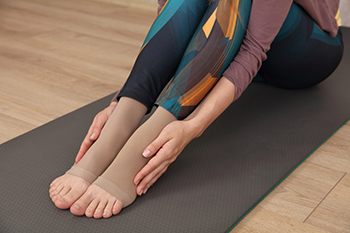
Poor circulation affects the flow of blood to the legs and feet, reducing the oxygen and nutrients that healthy tissues need. This can lead to cold feet, numbness, and cramping while walking. Some people also notice changes in skin color or slower healing after a minor cut or blister. Hair growth on the feet and lower legs can decrease, and the skin can become shiny or thin. In more serious cases, pain can continue even while resting. Poor circulation is frequently linked to narrowed arteries, which means blood vessels have become smaller because of a buildup of fatty material inside their walls. Early evaluation is important because symptoms can gradually become more noticeable and increase the risk of foot problems.
Several factors increase the risk of poor circulation. Smoking, diabetes, and high blood pressure can damage blood vessels and reduce healthy blood flow. High cholesterol can also contribute by narrowing the arteries. A podiatrist carefully examines the feet and checks for changes in skin temperature, skin color, and pulses. Pulses are the gentle beats of blood flowing through arteries. Weak or absent pulses can suggest reduced circulation. A podiatrist also looks for slow-healing wounds, thickened nails, and other signs that the feet are not receiving enough blood. Early diagnosis helps protect foot health and reduces the chance of more serious complications.
Treatment focuses on improving foot health and reducing the risk of complications caused by poor circulation. A podiatrist provides regular foot evaluations, monitors changes, and recommends supportive care based on your condition. Careful monitoring helps identify concerns before they become more serious. Early attention also supports healthier tissue and improves comfort while walking. Protecting the feet becomes especially important when circulation is reduced because even small problems can become harder to heal. If you have symptoms of poor circulation, it is suggested that you schedule an appointment with a podiatrist for effective relief and management solutions.
Poor circulation is a serious condition and needs immediate medical attention. If you have any concerns with poor circulation in your feet contact one of our podiatrists of BayCity Associates in Podiatry . Our doctors will treat your foot and ankle needs.
Poor Circulation in the Feet
Poor blood circulation in the feet and legs is can be caused by peripheral artery disease (PAD), which is the result of a buildup of plaque in the arteries.
Plaque buildup or atherosclerosis results from excess calcium and cholesterol in the bloodstream. This can restrict the amount of blood which can flow through the arteries. Poor blood circulation in the feet and legs are sometimes caused by inflammation in the blood vessels, known as vasculitis.
Causes
Lack of oxygen and oxygen from poor blood circulation restricts muscle growth and development. It can also cause:
- Muscle pain, stiffness, or weakness
- Numbness or cramping in the legs
- Skin discoloration
- Slower nail & hair growth
- Erectile dysfunction
Those who have diabetes or smoke are at greatest risk for poor circulation, as are those who are over 50. If you have poor circulation in the feet and legs it may be caused by PAD and is important to make changes to your lifestyle in order to reduce risk of getting a heart attack or stroke. Exercise and maintaining a healthy lifestyle will dramatically improve conditions.
As always, see a podiatrist as he or she will assist in finding a regimen that suits you. A podiatrist can also prescribe you any needed medication.
If you have any questions, please feel free to contact our offices located in Erie, PA and Meadville, PA . We offer the newest diagnostic and treatment technologies for all your foot care needs.
Facts About Plantar Fasciitis

Plantar fasciitis is one of the most common causes of heel pain. It develops when the plantar fascia becomes irritated. The plantar fascia is a strong band of tissue that runs along the bottom of the foot and supports the arch. When this tissue is placed under repeated stress, small tears can develop. This can lead to inflammation and pain. Many people notice pain near the heel when taking their first steps in the morning. It can also occur after sitting for a long period of time. Some people feel a sharp pain, and others describe a deep ache that makes daily activities more difficult.
Several factors increase the risk of plantar fasciitis. People who spend many hours standing are more likely to develop this condition. Running and other high-impact activities can also place extra strain on the foot. Foot structure can play a role as well. Flat feet, high arches, and tight calf muscles can increase stress on the plantar fascia. Excess body weight can add pressure to the heel and arch. Symptoms include heel pain, foot stiffness, and tenderness near the bottom of the heel. Many patients find that pain becomes worse after activity. Pain can also interfere with comfort while walking and standing.
A podiatrist can diagnose plantar fasciitis through a physical examination and a review of symptoms. Imaging tests such as X-rays or ultrasound studies may be used to rule out other causes of heel pain. Treatment depends on the severity of the condition. A podiatrist may recommend custom orthotics, supportive footwear, or a brace to reduce strain on the plantar fascia. Additional treatment options include a targeted stretching program and other medical therapies designed to reduce pain and inflammation. If you have symptoms of plantar fasciitis, it is suggested that you schedule an appointment with a podiatrist for effective relief and management solutions.
Plantar fasciitis can be very painful and inconvenient. If you are experiencing heel pain or symptoms of plantar fasciitis, contact one of our podiatrists from BayCity Associates in Podiatry . Our doctors can provide the care you need to keep you pain-free and on your feet.
What Is Plantar Fasciitis?
Plantar fasciitis is the inflammation of the thick band of tissue that runs along the bottom of your foot, known as the plantar fascia, and causes mild to severe heel pain.
What Causes Plantar Fasciitis?
- Excessive running
- Non-supportive shoes
- Overpronation
- Repeated stretching and tearing of the plantar fascia
How Can It Be Treated?
- Conservative measures – anti-inflammatories, ice packs, stretching exercises, physical therapy, orthotic devices
- Shockwave therapy – sound waves are sent to the affected area to facilitate healing and are usually used for chronic cases of plantar fasciitis
- Surgery – usually only used as a last resort when all else fails. The plantar fascia can be surgically detached from the heel
While very treatable, plantar fasciitis is definitely not something that should be ignored. Especially in severe cases, speaking to your doctor right away is highly recommended to avoid complications and severe heel pain. Your podiatrist can work with you to provide the appropriate treatment options tailored to your condition.
If you have any questions, please feel free to contact our offices located in Erie, PA and Meadville, PA . We offer the newest diagnostic and treatment technologies for all your foot care needs.
When to See a Podiatrist for a Broken Toe
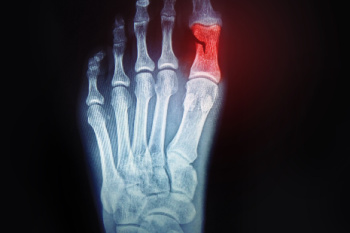
A broken toe can happen in an instant after stubbing your foot or dropping something heavy on it. Even though the injury can be very painful, some people are still able to walk on it. This makes it difficult to know whether a bone is actually broken. A broken toe can cause swelling, bruising, and tenderness. It also causes pain that can get worse while walking or wearing shoes. In some cases, the toe looks crooked or out of place. A more serious injury can leave part of a bone exposed, which requires immediate medical attention. A podiatrist can examine the injured toe and determine with an X-ray whether the damage involves a fracture or a bruise.
Stubbing a toe against furniture and dropping a heavy object on the foot are leading causes of toe fractures. Sports injuries and falls can also cause a toe to break. Tiny cracks in the bone, called stress fractures, can develop after repeated strain from certain activities, like running. People with weakened bone density have a greater chance of breaking a toe from an injury than someone with stronger bones. Ignoring a broken toe can allow the bones to heal in the wrong position. This can lead to lasting pain, difficulty wearing shoes, and problems with balance while walking.
A podiatrist can provide an exam to determine the type and severity of the injury in order to recommend the best treatment plan. Care includes reviewing symptoms, examining the position of the toe, and ordering X-rays or other imaging. Some broken toes heal with protection and close monitoring, while others require a procedure to restore proper alignment. Surgery is recommended for certain severe fractures. Early diagnosis helps reduce the risk of long-term complications and supports proper healing. If you have broken a toe, it is suggested that you schedule an appointment with a podiatrist for an accurate diagnosis and appropriate treatment.
Broken toes may cause a lot of pain and should be treated as soon as possible. If you have any concerns about your feet, contact one of our podiatrists from BayCity Associates in Podiatry . Our doctors will treat your foot and ankle needs.
What Is a Broken Toe?
A broken toe occurs when one or more of the toe bones of the foot are broken after an injury. Injuries such as stubbing your toe or dropping a heavy object on it may cause a toe fracture.
Symptoms of a Broken Toe
- Swelling
- Pain (with/without wearing shoes)
- Stiffness
- Nail Injury
Although the injured toe should be monitored daily, it is especially important to have a podiatrist look at your toe if you have severe symptoms. Some of these symptoms include worsening or new pain that is not relieved with medication, sores, redness, or open wounds near the toe.
If you have any questions please feel free to contact our offices located in Erie, PA and Meadville, PA . We offer the newest diagnostic tools and technology to treat your foot and ankle needs.
It's Time for Beautiful Feet

You don't need an excuse to have beautiful nails. Step outside without worrying about the appearance of your feet.
Risk Factors and Treatment of Hammertoe
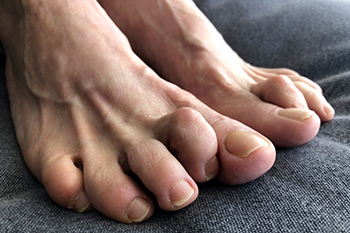
Hammertoe is a deformity that causes a toe to bend downward at its middle joint instead of lying flat. It most often affects the second, third, or fourth toe. In some cases, the toe remains flexible at first, but it can become stiff and more difficult to straighten as the deformity progresses. Hammertoe can develop when muscles and tendons that control toe movement become unbalanced. This places extra pressure on the joints and causes the toe to curl. Other contributing factors include injuries, arthritis, diabetes, and wearing shoes that are too tight. Shoes with high heels can also force the toes into a cramped position and increase stress on the joints.
People with a hammertoe frequently notice pain while wearing shoes because the bent toe rubs against the inside of the shoe. Symptoms include tenderness, redness, and swelling surrounding the affected joint. Corns and calluses can develop where the toe rubs against shoes or neighboring toes. Some people experience stiffness and difficulty moving the affected toe. As the deformity becomes more severe, it may be painful to walk and stand. A podiatrist can diagnose hammertoe through a physical examination of the foot and toes. X-rays are sometimes used to evaluate the position of the bones and joints and to determine the severity of the deformity.
Treatment depends on how flexible the toe remains and how advanced the condition has become. A podiatrist can recommend shoes with a wider toe box to reduce pressure on the affected area. Custom orthotics, which are shoe inserts designed to improve foot function, can help relieve strain on the joints. Padding and other supportive devices can also improve comfort. When the toe becomes rigid or if pain persists, surgery can straighten the toe and restore a more natural position. Early evaluation can help prevent worsening deformity and reduce long-term discomfort. If you have a painful hammertoe, it is suggested that you schedule an appointment with a podiatrist for diagnosis and appropriate treatment.
Hammertoe
Hammertoes can be a painful condition to live with. For more information, contact one of our podiatrists from BayCity Associates in Podiatry . Our doctors will answer any of your foot- and ankle-related questions.
Hammertoe is a foot deformity that affects the joints of the second, third, fourth, or fifth toes of your feet. It is a painful foot condition in which these toes curl and arch up, which can often lead to pain when wearing footwear.
Symptoms
- Pain in the affected toes
- Development of corns or calluses due to friction
- Inflammation
- Redness
- Contracture of the toes
Causes
Genetics – People who are genetically predisposed to hammertoe are often more susceptible
Arthritis – Because arthritis affects the joints in your toes, further deformities stemming from arthritis can occur
Trauma – Direct trauma to the toes could potentially lead to hammertoe
Ill-fitting shoes – Undue pressure on the front of the toes from ill-fitting shoes can potentially lead to the development of hammertoe
Treatment
Orthotics – Custom made inserts can be used to help relieve pressure placed on the toes and therefore relieve some of the pain associated with it
Medications – Oral medications such as anti-inflammatories or NSAIDs could be used to treat the pain and inflammation hammertoes causes. Injections of corticosteroids are also sometimes used
Surgery – In more severe cases where the hammertoes have become more rigid, foot surgery is a potential option
If you have any questions, please feel free to contact our offices located in Erie, PA and Meadville, PA . We offer the newest diagnostic and treatment technologies for all your foot care needs.
