Items filtered by date: September 2026
Common Causes of Foot Pain

Foot pain affects the toes, arches, or other parts of the foot. It can develop suddenly or gradually, and may make walking or standing difficult. Symptoms include aching, burning, or sharp pain. Common types include pain related to nerve problems, injuries, and inflammation. Understanding these differences can help guide appropriate treatment and recovery.
Nerve-related foot pain may cause burning, tingling, or shooting discomfort. Diabetes, nerve compression, and other conditions can contribute to these symptoms. Injury is another common cause, and may result from falls, sports injuries, or sudden impact. Sprains, strains, and fractures can cause pain with swelling or difficulty bearing weight. Inflammation can also affect the feet, and conditions such as plantar fasciitis and tendon irritation may develop when tissues become irritated from repeated stress.
Several factors can increase the risk of foot pain. Wearing poorly fitting or unsupportive footwear can create pressure and increase strain during daily activities. Age may also play a role because natural changes in joints, muscles, and cushioning can affect foot comfort. Obesity can place additional stress on the feet during standing and walking. Other risk factors include prolonged standing, previous injuries, or changes in daily activity patterns. Identifying contributing factors can help prevent recurring discomfort.
A podiatrist can evaluate foot pain by reviewing symptoms, examining the feet, and checking areas of tenderness. Imaging or other testing may be recommended when an injury or underlying condition is suspected. Treatment depends on the cause and may include supportive footwear, activity changes, or custom orthotics. A podiatrist can also provide guidance for protecting the feet while they heal. Persistent or worsening pain should receive podiatric attention. If you have foot pain, it is suggested that you consult a podiatrist who can determine what the cause is and offer appropriate relief and treatment solutions.
Foot Pain
Foot pain can be extremely painful and debilitating. If you have a foot pain, consult with one of our podiatrists from BayCity Associates in Podiatry . Our doctors will assess your condition and provide you with quality foot and ankle treatment.
Causes
Foot pain is a very broad condition that could be caused by one or more ailments. The most common include:
- Bunions
- Hammertoes
- Plantar Fasciitis
- Bone Spurs
- Corns
- Tarsal Tunnel Syndrome
- Ingrown Toenails
- Arthritis (such as Gout, Rheumatoid, and Osteoarthritis)
- Flat Feet
- Injury (from stress fractures, broken toe, foot, ankle, Achilles tendon ruptures, and sprains)
- And more
Diagnosis
To figure out the cause of foot pain, podiatrists utilize several different methods. This can range from simple visual inspections and sensation tests to X-rays and MRI scans. Prior medical history, family medical history, and any recent physical traumatic events will all be taken into consideration for a proper diagnosis.
Treatment
Treatment depends upon the cause of the foot pain. Whether it is resting, staying off the foot, or having surgery; podiatrists have a number of treatment options available for foot pain.
If you have any questions, please feel free to contact our offices located in Erie, PA and Meadville, PA . We offer the newest diagnostic and treatment technologies for all your foot care needs.
What a Diabetic Foot Exam Can Uncover

A diabetic foot exam is a specialized evaluation that helps identify foot problems associated with diabetes. This disease can affect nerves and blood vessels, which may reduce sensation and circulation in the feet. These changes can make it harder to notice an injury and may slow the healing process. A diabetic foot exam allows a podiatrist to look for concerns before they become more serious. Even people who feel that their feet are healthy can benefit from routine screening because some diabetic foot complications develop gradually without obvious warning signs.
During an examination, the podiatrist checks several aspects of foot health. Sensation may be tested to determine whether diabetic neuropathy has affected the nerves. Circulation is assessed by checking pulses and looking for changes that could indicate reduced blood flow. The skin is inspected for cracks, blisters, and open wounds. The podiatrist may also examine toenails, foot shape, and walking mechanics. These findings can reveal problems that may otherwise go unnoticed during normal daily activities.
Diabetes increases the risk of several foot complications. Diabetic peripheral neuropathy may cause numbness, tingling, or reduced ability to feel pain. Poor circulation can affect the delivery of oxygen and nutrients needed for healthy tissue and wound healing. Foot deformities can create pressure points that lead to calluses and ulcers. Previous ulcers, long-term diabetes, and a history of nerve or circulation problems can further increase risk. A podiatrist can identify these concerns and recommend preventive measures based on the patient’s needs.
Regular diabetic foot exams can support early detection and help reduce the chance of preventable complications. If an abnormality is found, treatment may include wound care, pressure relief, or other measures designed to protect the feet. If you have diabetes, it is suggested that you are under the care of a podiatrist who can help you to manage this serious condition.
Diabetic foot care is important in preventing foot ailments such as ulcers. If you are suffering from diabetes or have any other concerns about your feet, contact one of our podiatrists from BayCity Associates in Podiatry . Our doctors can provide the care you need to keep you pain-free and on your feet.
Diabetic Foot Care
Diabetes affects millions of people every year. The condition can damage blood vessels in many parts of the body, especially the feet. Because of this, taking care of your feet is essential if you have diabetes, and having a podiatrist help monitor your foot health is highly recommended.
The Importance of Caring for Your Feet
- Routinely inspect your feet for bruises or sores.
- Wear socks that fit your feet comfortably.
- Wear comfortable shoes that provide adequate support.
Patients with diabetes should have their doctor monitor their blood levels, as blood sugar levels play such a huge role in diabetic care. Monitoring these levels on a regular basis is highly advised.
It is always best to inform your healthcare professional of any concerns you may have regarding your feet, especially for diabetic patients. Early treatment and routine foot examinations are keys to maintaining proper health, especially because severe complications can arise if proper treatment is not applied.
If you have any questions, please feel free to contact our offices located in Erie, PA and Meadville, PA . We offer the newest diagnostic and treatment technologies for all your foot care needs.
Why Live with Pain and Numbness in Your Feet?

Suffering from this type of pain? You may have the foot condition known as Morton's neuroma. Morton's neuroma may develop as a result of ill-fitting footwear and existing foot deformities. We can help.
Why Your Child Walks on Their Toes
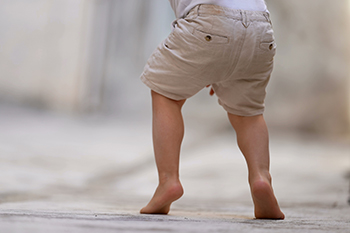
Toe walking means a child walks on their tiptoes without letting their heels touch the ground. It can happen some, most, or all of the time. Toe walking can be part of normal development, and many children stop doing it between ages two and seven. However, continued toe walking deserves attention, especially when it affects balance, comfort, or the way a child moves. When there is no clear medical cause, it is called idiopathic toe walking. In a small number of children, toe walking can be linked to conditions that affect the brain, nerves, or muscles. These include cerebral palsy, muscular dystrophy, and autism spectrum disorder. A podiatrist can assess your child’s feet, legs, and walking pattern. They can also check muscle strength and flexibility to determine whether further evaluation is needed.
Frequent toe walking can be associated with tight calf muscles, which connect with the heel. Tight calves can make it harder for a child to place the heels flat on the ground when standing or walking. A podiatrist can help identify whether tight muscles, foot structure, or another concern is contributing to toe walking. This evaluation also helps determine whether the child’s walking pattern is changing or causing problems with everyday activities. Treatment options may include regular monitoring and supportive footwear.
Parents should seek professional advice when toe walking is apparent mainly on one side or if it begins suddenly after a child previously walked with their heels down. An exam also may be needed if the heels are prevented from touching the ground while standing. Attention is important when a child has stiff legs, unusual movements, or pain. A podiatrist can monitor changes in walking and recommend treatment when necessary. If your child exhibits toe walking on a regular basis, it is suggested that you schedule an appointment with a podiatrist for a diagnosis and appropriate treatment.
Making sure that your children maintain good foot health is very important as they grow. If you have any questions, contact one of our podiatrists of BayCity Associates in Podiatry . Our doctors can provide the care you need to keep you pain-free and on your feet.
Keeping Children's Feet Healthy
Having healthy feet during childhood can help prevent medical problems later in life, namely in the back and legs. As children grow, their feet require different types of care. Here are some things to consider...
Although babies do not walk yet, it is still very important to take care of their feet.
Avoid putting tight shoes or socks on his or her feet.
Allow the baby to stretch and kick his or her feet to feel comfortable.
As a toddler, kids are now on the move and begin to develop differently. At this age, toddlers are getting a feel for walking, so don’t be alarmed if your toddler is unsteady or ‘walks funny’.
As your child gets older, it is important to teach them how to take care of their feet.
Show them proper hygiene to prevent infections such as fungus.
Be watchful for any pain or injury.
Have all injuries checked by a doctor as soon as possible.
Comfortable, protective shoes should always be worn, especially at play.
If you have any questions, please feel free to contact our offices located in Erie, PA and Meadville, PA . We offer the newest diagnostic and treatment technologies for all your foot care needs.
Common Symptoms of Toenail Fungus
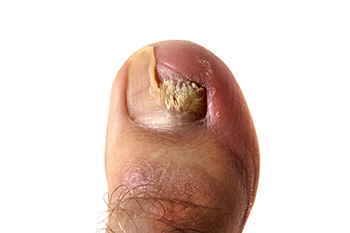
Toenail fungus, also known as a fungal toenail infection, is a common condition that affects the appearance and health of the nails. It develops when fungi enter the nail through small cracks, nail damage, or openings around the nail bed. The infection often progresses slowly and may become more noticeable over time. Without proper care, toenail fungus can cause changes in nail texture, color, and strength. Understanding the causes and symptoms of this condition can help individuals seek early treatment and protect their foot health.
Symptoms of toenail fungus often include white or yellow discoloration of the nail. As the infection progresses, the toenail may become thick, brittle, and difficult to trim. Many individuals notice that the nail breaks easily or becomes rough and uneven along the edges. In some cases, the nail may separate from the nail bed or develop an unpleasant odor. These changes can cause discomfort, especially when wearing shoes or placing pressure on the toes.
Several causes can contribute to the development of toenail fungus. Fungi thrive in environments that are constantly warm and damp, making sweaty shoes and enclosed footwear common contributors. Poor foot hygiene can increase the likelihood of fungal growth. Toenail damage caused by injury or improper trimming may create an entry point for infection. A weakened immune system can also make it more difficult for the body to fight off fungal organisms.
Risk factors include wearing tight-fitting shoes, frequent exposure to moist areas such as locker rooms, and allowing feet to remain damp for extended periods. Individuals with previous nail injuries or certain health conditions may also have a higher risk of developing toenail fungus. Preventive measures include keeping feet clean and dry, wearing breathable footwear, and maintaining proper nail care habits. If you have symptoms of toenail fungus, it is suggested that you consult a podiatrist for effective treatment solutions, which may include prescribed medication.
For more information about treatment, contact one of our podiatrists of BayCity Associates in Podiatry . Our doctors can provide the care you need to keep you pain-free and on your feet.
Toenail Fungus Treatment
Toenail fungus is a condition that affects many people and can be especially hard to get rid of. Fortunately, there are several methods to go about treating and avoiding it.
Antifungals & Deterrence
Oral antifungal medicine has been shown to be effective in many cases. It is important to consult with a podiatrist to determine the proper regiment for you, or potentially explore other options.
Applying foot powder on the feet and shoes helps keep the feet free of moisture and sweat.
Sandals or open toed shoes – Wearing these will allow air movement and help keep feet dry. They also expose your feet to light, which fungus cannot tolerate. Socks with moisture wicking material also help as well.
If you have any questions please contact our offices located in Erie, PA and Meadville, PA . We offer the newest diagnostic and treatment technologies for all your foot and ankle needs.
Improving Running Performance With Foot Stretches

Foot stretches are an important part of a runner-focused routine because they help maintain flexibility and strength in the lower extremities. These exercises target muscles, tendons, and connective tissue that support balance and movement. Running places repeated impact on the feet, which can lead to strain if the body is not properly conditioned. Understanding how stretching supports foot health allows runners to stay active, improve performance, and reduce unnecessary discomfort during training and recovery. Common symptoms of tight or overworked feet include stiffness, soreness, and reduced mobility. Many runners notice discomfort in the arches or heels, especially after long distance runs or intense workouts. Muscle fatigue can also affect stride and balance, making movement less efficient. Risk factors include inadequate warm up routines, wearing poor footwear, and engaging in high intensity training without enough recovery time. Identifying and addressing these factors is essential for maintaining healthy and functional feet.
Foot stretching provides several benefits that directly support running efficiency and comfort. These exercises improve foot and ankle mobility, allowing smoother and more controlled motion with each step. Strong and flexible feet help distribute pressure evenly, which reduces stress on specific areas, such as the heel or arch. Stretching also helps ease pain and muscle soreness, promoting faster recovery after activity. Regular practice supports endurance and lowers the risk of common running related injuries.
Incorporating foot stretches into a daily routine can improve both comfort and long-term performance. Consistent care allows runners to maintain proper form and reduce the likelihood of overuse injuries. Focusing on flexibility and strength supports continued activity and overall well being. Taking simple preventive steps can make running more enjoyable and sustainable over time. If you have foot pain from running, it is suggested that you consult a podiatrist for effective relief and treatment solutions.
Stretching the feet is a great way to prevent injuries. If you have any concerns with your feet consult with one of our podiatrists from BayCity Associates in Podiatry . Our doctors will assess your condition and provide you with quality foot and ankle treatment.
Stretching the Feet
Stretching the muscles in the foot is an important part in any physical activity. Feet that are tight can lead to less flexibility and make you more prone to injury. One of the most common forms of foot pain, plantar fasciitis, can be stretched out to help ease the pain. Stretching can not only ease pain from plantar fasciitis but also prevent it as well. However, it is important to see a podiatrist first if stretching is right for you. Podiatrists can also recommend other ways to stretch your feet. Once you know whether stretching is right for you, here are some excellent stretches you can do.
- Using a foam roller or any cylindrical object (a water bottle or soda can will do), roll the object under your foot back and forth. You should also exert pressure on the object. Be sure to do this to both feet for a minute. Do this exercise three times each.
- Similar to the previous one, take a ball, such as a tennis ball, and roll it under your foot while seated and exert pressure on it.
- Grab a resistance band or towel and take a seat. If you are using a towel, fold it length wise. Next put either one between the ball of your foot and heel and pull with both hands on each side towards you. Hold this for 15 seconds and then switch feet. Do this three times for each foot.
- Finally hold your big toe while crossing one leg over the other. Pull the toe towards you and hold for 15 seconds. Once again do this three times per foot.
It is best to go easy when first stretching your foot and work your way up. If your foot starts hurting, stop exercising and ice and rest the foot. It is advised to then see a podiatrist for help.
If you have any questions please contact our offices located in Erie, PA and Meadville, PA . We offer the newest diagnostic and treatment technologies for all your foot and ankle needs.
