Items filtered by date: December 2025
Possible Causes of Ingrown Toenails
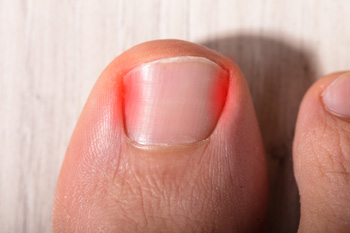 Patients who have experienced an ingrown toenail are often aware of the pain and discomfort this condition can cause. It is defined as the corner of the toenail growing into the surrounding skin. It can occur as a result of wearing shoes that do not have adequate room for the toes to move freely in, or from trimming the toenails improperly. Mild relief can be found when the affected nail is soaked in warm water. This may help in lifting a portion of the skin away from the nail while using a cotton swab. If the toenail becomes infected, a yellow discharge may appear, and a fever may develop. It is suggested that you consult with a podiatrist if you have an ingrown toenail who can determine what the best treatment method is for you.
Ingrown toenails may initially present themselves as a minor discomfort, but they may progress into an infection in the skin without proper treatment. For more information about ingrown toenails, contact one of our podiatrists of BayCity Associates in Podiatry . Our doctors can provide the care you need to keep you pain-free and on your feet.
Ingrown Toenails
Ingrown toenails are caused when the corner or side of a toenail grows into the soft flesh surrounding it. They often result in redness, swelling, pain, and in some cases, infection. This condition typically affects the big toe and may recur if it is not treated properly.
Causes
- Improper toenail trimming
- Genetics
- Improper shoe fitting
- Injury from pedicures or nail picking
- Abnormal gait
- Poor hygiene
You are more likely to develop an ingrown toenail if you are obese, have diabetes, arthritis, or have any fungal infection in your nails. Additionally, people who have foot or toe deformities are at a higher risk of developing an ingrown toenail.
Symptoms
Some symptoms of ingrown toenails are redness, swelling, and pain. In rare cases, there may be a yellowish drainage coming from the nail.
Treatment
Ignoring an ingrown toenail can have serious complications. Infections of the nail border can progress to a deeper soft-tissue infection, which can then turn into a bone infection. You should always speak with your podiatrist if you suspect you have an ingrown toenail, especially if you have diabetes or poor circulation.
If you have any questions, please feel free to contact our offices located in Erie, PA and Meadville, PA . We offer the newest diagnostic and treatment technologies for all your foot care needs.
What You Should Know About Hammertoes
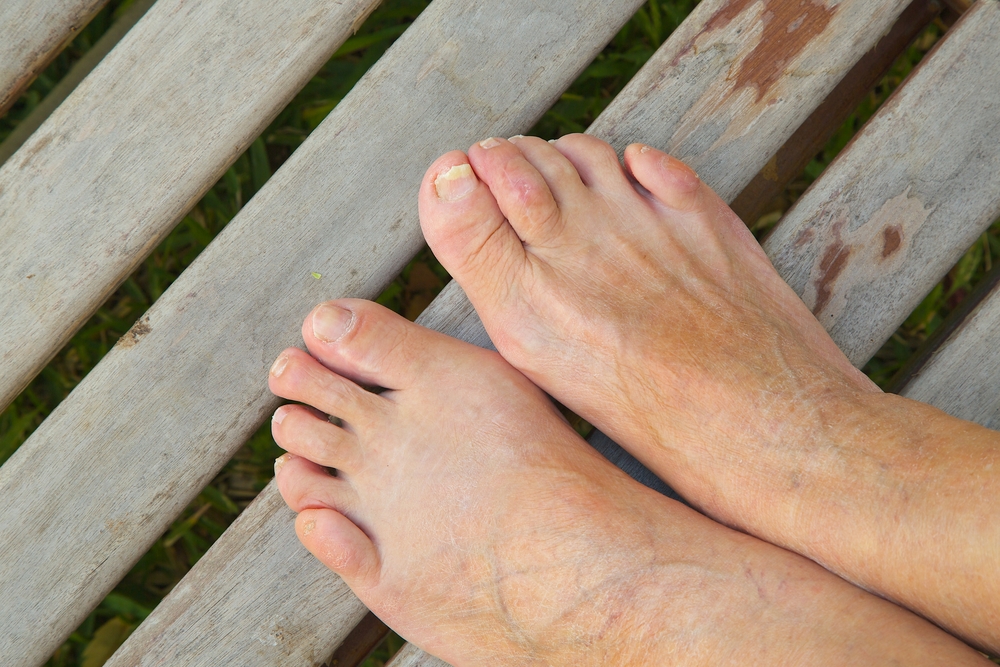
A hammertoe develops when one of the smaller toes bends abnormally at the middle joint, creating a raised knuckle and a curled tip. This change often begins subtly, but becomes more noticeable over time as the tendon imbalance increases. Many people first notice rubbing on the top of the toe, difficulty finding comfortable shoes, or soreness that worsens with activity. Corns, calluses, and irritation from wearing tight footwear can make the condition even more uncomfortable. Hammertoes form for several reasons, including genetics, foot structure, arthritis, and shoes that squeeze the toes or force them into a bent position. Early attention can help keep the toe flexible and reduce pain with supportive footwear, gentle stretching, and cushioning. Long-standing or rigid hammertoes may require medical treatment to restore comfort and function. If you experience ongoing toe pain, rubbing, or difficulty fitting into shoes, it is suggested that you see a podiatrist for evaluation and appropriate care.
Hammertoes can be a painful condition to live with. For more information, contact one of our podiatrists of BayCity Associates in Podiatry . Our doctors will answer any of your foot- and ankle-related questions.
Hammertoe
Hammertoe is a foot deformity that occurs due to an imbalance in the muscles, tendons, or ligaments that normally hold the toe straight. It can be caused by the type of shoes you wear, your foot structure, trauma, and certain disease processes.
Symptoms
- Painful and/or difficult toe movement
- Swelling
- Joint stiffness
- Calluses/Corns
- Physical deformity
Risk Factors
- Age – The risk of hammertoe increases with age
- Sex – Women are more likely to have hammertoe compared to men
- Toe Length – You are more likely to develop hammertoe if your second toe is longer than your big toe
- Certain Diseases – Arthritis and diabetes may make you more likely to develop hammertoe
Treatment
If you have hammertoe, you should change into a more comfortable shoe that provides enough room for your toes. Exercises such as picking up marbles may strengthen and stretch your toe muscles. Nevertheless, it is important to seek assistance from a podiatrist in order to determine the severity of your hammertoe and see which treatment option will work best for you.
If you have any questions, please feel free to contact our offices located in Erie, PA and Meadville, PA . We offer the newest diagnostic and treatment technologies for all your foot care needs.
Understanding Types of Pronation
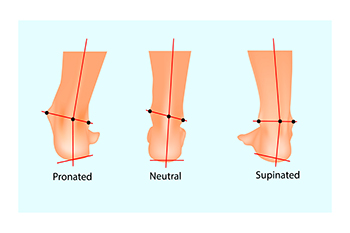
Pronation is the natural inward rolling motion of the foot during walking or running, which allows the arch to absorb shock and distribute body weight efficiently. There are three main types of pronation that influence how pressure moves through the foot. Neutral pronation is when the foot rolls inward slightly, helping to maintain balance and reducing stress on the ankles and knees. Overpronation happens when the foot rolls inward excessively, often in people with low arches or flat feet, which can lead to heel, arch, or ankle pain. Underpronation, or supination, occurs when the foot rolls outward, placing stress on the outer edge of the foot and increasing the risk of ankle sprains or heel pain. A podiatrist can evaluate your gait, foot posture, and arch type to determine your pronation pattern and recommend corrective devices, supportive footwear, or, in severe cases, surgery. If you experience foot pain or gait problems, it is suggested that you make an appointment with a podiatrist for a diagnosis and treatment options.
If you have any concerns about your feet, contact one of our podiatrists from BayCity Associates in Podiatry . Our doctors can provide the care you need to keep you pain-free and on your feet.
Biomechanics in Podiatry
Podiatric biomechanics is a particular sector of specialty podiatry with licensed practitioners who are trained to diagnose and treat conditions affecting the foot, ankle and lower leg. Biomechanics deals with the forces that act against the body, causing an interference with the biological structures. It focuses on the movement of the ankle, the foot and the forces that interact with them.
A History of Biomechanics
- Biomechanics dates back to the BC era in Egypt where evidence of professional foot care has been recorded.
- In 1974, biomechanics gained a higher profile from the studies of Merton Root, who claimed that by changing or controlling the forces between the ankle and the foot, corrections or conditions could be implemented to gain strength and coordination in the area.
Modern technological improvements are based on past theories and therapeutic processes that provide a better understanding of podiatric concepts for biomechanics. Computers can provide accurate information about the forces and patterns of the feet and lower legs.
Understanding biomechanics of the feet can help improve and eliminate pain, stopping further stress to the foot.
If you have any questions please feel free to contact our offices located in Erie, PA and Meadville, PA . We offer the newest diagnostic and treatment technologies for all your foot and ankle needs.
Gout Pain Can Be Managed

Gout is a painful, inflammatory form of arthritis. Those affected will typically feel an intense stiffness in the joints of their feet, particularly in the big toe. Schedule a visit to learn about how gout can be managed and treated.
Understanding Flat Feet
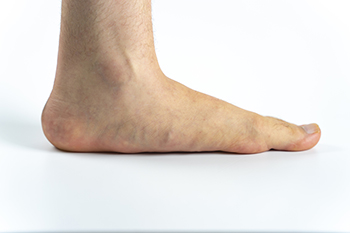
Flat feet occur when the medial longitudinal arch of the foot collapses, causing it to contact or nearly contact the ground. This condition can be present from birth or develop over time. Causes include aging, injury, obesity, or medical conditions that weaken the tendons and ligaments supporting the arch. Some individuals experience no discomfort, while others may have pain, swelling, or fatigue in the feet, ankles, or legs. A podiatrist can evaluate foot structure, identify the underlying cause, and recommend treatment custom orthotics, supportive footwear, and targeted exercises to improve alignment and relieve pain. If you have pain from flat feet, it is suggested that you consult a podiatrist who can offer you effective relief and management tips.
Flatfoot is a condition many people suffer from. If you have flat feet, contact one of our podiatrists from BayCity Associates in Podiatry . Our doctors will treat your foot and ankle needs.
What Are Flat Feet?
Flatfoot is a condition in which the arch of the foot is depressed and the sole of the foot is almost completely in contact with the ground. About 20-30% of the population generally has flat feet because their arches never formed during growth.
Conditions & Problems:
Having flat feet makes it difficult to run or walk because of the stress placed on the ankles.
Alignment – The general alignment of your legs can be disrupted, because the ankles move inward which can cause major discomfort.
Knees – If you have complications with your knees, flat feet can be a contributor to arthritis in that area.
Symptoms
- Pain around the heel or arch area
- Trouble standing on the tip toe
- Swelling around the inside of the ankle
- Flat look to one or both feet
- Having your shoes feel uneven when worn
Treatment
If you are experiencing pain and stress on the foot you may weaken the posterior tibial tendon, which runs around the inside of the ankle.
If you have any questions, please feel free to contact our offices located in Erie, PA and Meadville, PA . We offer the newest diagnostic and treatment technologies for all your foot care needs.
Differences Between Corns and Calluses
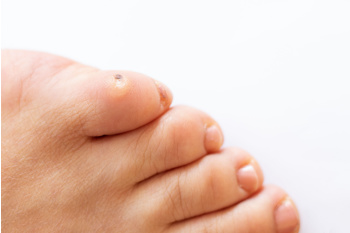
Corns and calluses on the feet are caused by repeated pressure or friction, but they differ in appearance and symptoms. Corns are small, round, and often painful thickened skin areas that develop on toes or other bony prominences. They usually have a hard center surrounded by inflamed skin and can cause sharp pain when pressed. Calluses are larger, broader areas of thickened skin found on the soles or heels. They tend to be less painful but can feel rough or dry. Both conditions are often caused by wearing ill-fitting shoes, abnormal gait, or repeated rubbing. Visually, corns appear as hard, dense spots, while calluses look like rough patches. A podiatrist can diagnose these conditions through examination and identify underlying causes. Treatment may include orthotics, debridement, footwear advice, and addressing gait abnormalities. To prevent pain and further complications, it is suggested that you schedule an appointment with a podiatrist for effective relief and prevention tips.
If you have any concerns regarding your feet and ankles, contact one of our podiatrists of BayCity Associates in Podiatry . Our doctors will treat your foot and ankle needs.
Corns: What Are They? and How Do You Get Rid of Them?
Corns can be described as areas of the skin that have thickened to the point of becoming painful or irritating. They are often layers and layers of the skin that have become dry and rough, and are normally smaller than calluses.
Ways to Prevent Corns
There are many ways to get rid of painful corns such as wearing:
- Well-fitting socks
- Comfortable shoes that are not tight around your foot
- Shoes that offer support
Treating Corns
Treatment of corns involves removing the dead skin that has built up in the specific area of the foot. Consult with Our doctors to determine the best treatment option for your case of corns.
If you have any questions, please feel free to contact our offices located in Erie, PA and Meadville, PA . We offer the newest diagnostic and treatment technologies for all your foot care needs.
