Items filtered by date: July 2025
Early Care of Foot Ulcers Is Vital
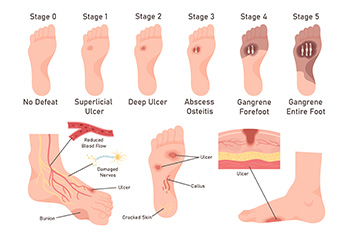
A foot ulcer is an open sore that can affect the surface skin or extend deep enough to reach tendons, bones, or other structures. People with diabetes, poor circulation, nerve damage, or foot deformities face a higher risk of developing ulcers. Nerve damage can make it hard to notice injuries like cuts or pressure spots, especially when wearing shoes that rub against the skin. Poor circulation slows healing by limiting the oxygen that reaches tissues in the foot. If left untreated, a foot ulcer may become infected, sometimes leading to an abscess, cellulitis, or a bone infection. In severe cases, it can cause tissue death or result in limb loss. Early care by a podiatrist focuses on diagnosing the cause of the ulcer, removing dead tissue, if needed, and helping to prevent infection. If you have developed a foot ulcer that will not heal, it is suggested that you schedule an appointment with a podiatrist for an exam and appropriate treatment options.
Wound care is an important part in dealing with diabetes. If you have diabetes and a foot wound or would like more information about wound care for diabetics, consult with one of our podiatrists from BayCity Associates in Podiatry . Our doctors will assess your condition and provide you with quality foot and ankle treatment.
What Is Wound Care?
Wound care is the practice of taking proper care of a wound. This can range from the smallest to the largest of wounds. While everyone can benefit from proper wound care, it is much more important for diabetics. Diabetics often suffer from poor blood circulation which causes wounds to heal much slower than they would in a non-diabetic.
What Is the Importance of Wound Care?
While it may not seem apparent with small ulcers on the foot, for diabetics, any size ulcer can become infected. Diabetics often also suffer from neuropathy, or nerve loss. This means they might not even feel when they have an ulcer on their foot. If the wound becomes severely infected, amputation may be necessary. Therefore, it is of the upmost importance to properly care for any and all foot wounds.
How to Care for Wounds
The best way to care for foot wounds is to prevent them. For diabetics, this means daily inspections of the feet for any signs of abnormalities or ulcers. It is also recommended to see a podiatrist several times a year for a foot inspection. If you do have an ulcer, run the wound under water to clear dirt from the wound; then apply antibiotic ointment to the wound and cover with a bandage. Bandages should be changed daily and keeping pressure off the wound is smart. It is advised to see a podiatrist, who can keep an eye on it.
If you have any questions please contact our offices located in Erie, PA and Meadville, PA . We offer the newest diagnostic and treatment technologies for all your foot and ankle needs.
See Your Foot Specialist Regularly If You Work On Your Feet

Do you work on your feet all day and find your feet in pain? Don't go to work in pain each day. Your foot pain can be treated, and we can help.
Causes of Swollen Ankles and Feet
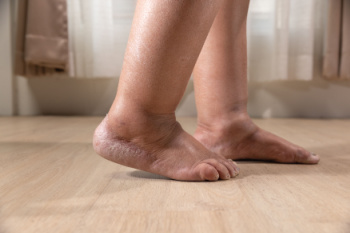
Swelling in the feet and ankles often occurs due to fluid accumulation in the soft tissues, known as edema. This can occur for many reasons, ranging from prolonged standing or walking to underlying health conditions such as heart, kidney, or liver disease. Injury, such as an ankle sprain or fracture, can also lead to localized swelling, as well as bruising or pain. Infections like cellulitis or abscesses may cause the skin to appear red, warm, or oozing. Swelling of the feet or ankles may affect one or both sides and can leave indentations when pressed, known as pitting edema. A podiatrist can evaluate the location, severity, and associated symptoms of swelling to help determine the underlying cause and recommend appropriate treatment. If you notice unexplained swelling of the feet and ankles, it is suggested that you make an appointment with a podiatrist for a diagnosis and treatment.
Swollen feet can be a sign of an underlying condition. If you have any concerns, contact one of our podiatrists of BayCity Associates in Podiatry . Our doctors can provide the care you need to keep you pain-free and on your feet.
Swollen feet are a common ailment among pregnant women and people who stand or sit for extended periods. Aging may increase the possibility of swollen feet and patients who are obese often notice when their feet are swelling too. There may be medical reasons why swollen feet occur:
- Phlebitis - A condition that causes the veins to become inflamed and can also cause leg pain.
- Liver disease - This may lead to low blood levels of albumin which is a protein. This can cause fluid in the blood to pass into the tissues and several areas of the body can become swollen.
- Heart failure - When the heart doesn’t pump properly the blood that is normally pumped back to the heart can pool in the veins of the legs causing swollen feet.
- Kidney disease - One of the main functions of the kidneys is releasing excess fluid in the body. This type of condition can make it difficult for the kidneys to function properly, and as a result the feet may become swollen.
- Deep-vein thrombosis (DVT)- This is a serious condition where blood clots form in the veins of the legs. They can block the return of blood from the legs to the heart which may cause the feet to swell. It is important to be treated by a podiatrist if this condition is present.
Swollen feet can also be caused by bone and tendon conditions, including fractures, arthritis, and tendinitis. Additionally, there may be skin and toenail conditions and an infection may cause the feet to swell. Patients who take medicine to treat high blood pressure may be prone to getting swollen feet.
Many patients elevate their feet to help relieve the swelling and this is generally a temporary remedy. When a podiatrist is consulted the reason behind the swelling can be uncovered and subsequently treated.
If you have any questions please contact our offices located in Erie, PA and Meadville, PA . We offer the newest diagnostic and treatment technologies for all your foot and ankle needs.
Diagnosis of Vesicular Athlete’s Foot
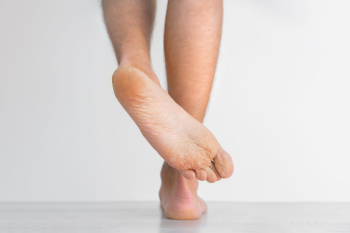
Vesicular athlete’s foot is a type of fungal infection that causes painful blisters that form along the arch or bottom of the foot. Vesicular athlete’s foot tends to develop suddenly, especially in people who wear tight, enclosed footwear for long hours, such as work boots. Blisters may appear in clusters, some intact and others already ruptured, and can cause pain when pressure is applied. Although some people notice improvement without care, untreated infections may continue to return. Vesicular athlete’s foot is often caused by a particular fungus that thrives in warm, moist environments like sweaty socks or damp shoes. Diagnosis usually involves examining a skin sample under a microscope to confirm a fungal infection. A podiatrist may also perform skin scrapings or cultures to identify the type of fungus and guide treatment. If you have recurring athlete's foot infections, it is suggested that you schedule an appointment with a podiatrist for treatment, which may include prescribed medication.
Athlete’s foot is an inconvenient condition that can be easily reduced with the proper treatment. If you have any concerns about your feet and ankles, contact one of our podiatrists from BayCity Associates in Podiatry . Our doctors will treat your foot and ankle needs.
Athlete’s Foot: The Sole Story
Athlete's foot, also known as tinea pedis, can be an extremely contagious foot infection. It is commonly contracted in public changing areas and bathrooms, dormitory style living quarters, around locker rooms and public swimming pools, or anywhere your feet often come into contact with other people.
Solutions to Combat Athlete’s Foot
- Hydrate your feet by using lotion
- Exfoliate
- Buff off nails
- Use of anti-fungal products
- Examine your feet and visit your doctor if any suspicious blisters or cuts develop
Athlete’s foot can cause many irritating symptoms such as dry and flaking skin, itching, and redness. Some more severe symptoms can include bleeding and cracked skin, intense itching and burning, and even pain when walking. In the worst cases, Athlete’s foot can cause blistering as well. Speak to your podiatrist for a better understanding of the different causes of Athlete’s foot, as well as help in determining which treatment options are best for you.
If you have any questions please feel free to contact our offices located in Erie, PA and Meadville, PA . We offer the newest diagnostic and treatment technologies for all your foot and ankle needs.
Supporting Flat Feet With Custom Foot Orthotics
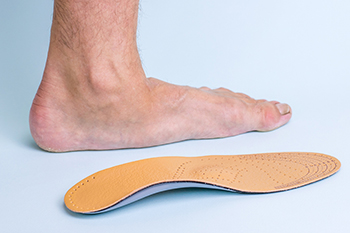
Flat feet occur when the arches collapse, causing the entire sole to touch the ground. This can lead to pain, fatigue, and strain in the feet, ankles, and legs. Custom foot orthotics provide the support that flat feet lack by lifting the arch and improving foot alignment. They help distribute weight evenly, reduce discomfort, and prevent further complications. A podiatrist can evaluate your foot structure, diagnose any related issues, and design orthotics tailored to your needs. These inserts can improve stability, relieve pain, and support better posture. If flat feet are affecting your daily comfort or mobility, it is suggested that you schedule an appointment with a podiatrist to discover how custom orthotics can relieve pain and discomfort, restoring support and balance to your steps.
Custom orthotics can make a remarkable difference in daily comfort and mobility by supporting the feet in their most natural and balanced position. Because the feet form the foundation for the entire body, any imbalance can affect not only how a person walks, but also how the knees, hips, and spine align. Over time, this can lead to fatigue, pain, or reduced movement. Custom orthotics are designed to restore stability and promote proper alignment, which can transform the way a person feels and functions throughout the day.
People who wear custom orthotics often experience improved posture, less joint strain, and greater endurance during work, exercise, and leisure activities. The support they provide helps relieve chronic discomfort from conditions such as plantar fasciitis, flat feet, and heel pain, while also reducing the risk of future injuries. For those who stand for long hours or engage in sports, orthotics can make movement smoother and more efficient, allowing the body to perform at its best without unnecessary stress.
Each pair of custom orthotics is created after a detailed evaluation of foot structure, gait, and pressure distribution. By addressing each person’s unique needs, they offer comfort and confidence with every step.
If you are experiencing ongoing foot discomfort or fatigue, it is suggested that you contact our office for more information or to make an appointment.
If you have any questions, please feel free to contact our offices located in Erie, PA and Meadville, PA .
Morton's Neuroma and Surgical Relief
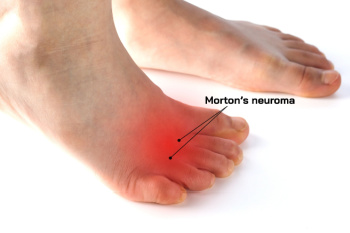
Morton's neuroma is a nerve condition that occurs when tissue thickens around a nerve, usually between the third and fourth toes. This can cause pain, tingling, burning, or the sensation of something being stuck underfoot. It is often linked to wearing narrow shoes, repetitive stress, or abnormal foot mechanics. When noninvasive treatments do not relieve symptoms, surgery may be considered to remove the affected nerve or release surrounding structures. Surgical treatment can provide lasting relief and restore comfort while walking. A podiatrist can evaluate your symptoms and provide information about this type of surgery. If you have pain in this part of your foot, it is suggested you schedule an appointment with a podiatrist for expert care and relief.
Morton’s neuroma is a very uncomfortable condition to live with. If you think you have Morton’s neuroma, contact one of our podiatrists of BayCity Associates in Podiatry . Our doctors will attend to all of your foot care needs and answer any of your related questions.
Morton’s Neuroma
Morton's neuroma is a painful foot condition that commonly affects the areas between the second and third or third and fourth toe, although other areas of the foot are also susceptible. Morton’s neuroma is caused by an inflamed nerve in the foot that is being squeezed and aggravated by surrounding bones.
What Increases the Chances of Having Morton’s Neuroma?
- Ill-fitting high heels or shoes that add pressure to the toe or foot
- Jogging, running or any sport that involves constant impact to the foot
- Flat feet, bunions, and any other foot deformities
Morton’s neuroma is a very treatable condition. Orthotics and shoe inserts can often be used to alleviate the pain on the forefront of the feet. In more severe cases, corticosteroids can also be prescribed. In order to figure out the best treatment for your neuroma, it’s recommended to seek the care of a podiatrist who can diagnose your condition and provide different treatment options.
If you have any questions, please feel free to contact our offices located in Erie, PA and Meadville, PA . We offer the newest diagnostic and treatment technologies for all your foot care needs.
Flip Flop Syndrome and Its Impact on Foot Health
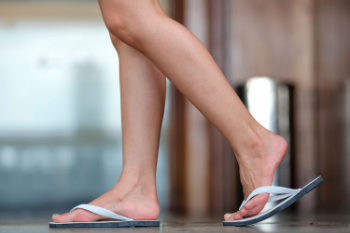
Flip flop syndrome refers to the discomfort and problems caused by wearing flat, non-supportive flip flops for extended periods. These sandals offer little to no arch support, making them unsuitable for long-term walking or standing. Without proper support, the feet may become tired and strained, which can lead to pain and poor alignment in the ankles, knees, hips, and back. Over time, this misalignment affects overall posture and movement. A podiatrist can assess any damage, recommend supportive footwear, and provide custom orthotics, if needed. If you experience foot pain from wearing flip flops too often, it is suggested that you consult a podiatrist who can treat various foot conditions, and guide you on more suitable shoes to wear.
Flip-flops can cause a lot of problems for your feet. If you have any concerns about your feet or ankles, contact one of our podiatrists from BayCity Associates in Podiatry . Our doctors will assist you with all of your foot and ankle needs.
Flip-Flops and Feet
Flip-flops have managed to become a summer essential for a lot of people. While the shoes may be stylish and easy to slip on and off, they can be dangerous to those who wear them too often. These shoes might protect you from fungal infections such as athlete’s foot, but they can also give you foot pain and sprained ankles if you trip while wearing them.
When Are They Okay to Wear?
Flip-flops should only be worn for very short periods of time. They can help protect your feet in places that are crawling with fungi, such as gym locker rooms. Athlete’s foot and plantar warts are two common fungi that flip-flops may help protect your feet against.
Why Are They Bad for My Feet?
These shoes do not offer any arch support, so they are not ideal for everyday use. They also do not provide shock absorption or heel cushioning which can be problematic for your feet. Additionally, you may suffer from glass cuts, puncture wounds, and stubbed toes since they offer little protection for your feet.
More Reasons Why They Are Bad for Your Feet
- They Slow You Down
- May Cause Blisters and Calluses
- Expose Your Feet to Bacteria
If you have any questions, please feel free to contact our offices located in Erie, PA and Meadville, PA . We offer the newest diagnostic and treatment technologies for all your foot care needs.
