Items filtered by date: November 2025
Common Reasons Your Feet Might Hurt

Foot pain can develop from a range of conditions that affect the bones, soft tissues, skin, or nerves. One frequent source of foot pain is plantar fasciitis. This is a repetitive stress condition resulting from inflammation of the thick band of tissue that runs along the bottom of the foot. Bunions are another cause, creating a visible bump near the big toe joint that can become painful and swollen. Tendon injuries, such as Achilles tendonitis, cause pain and stiffness near the heel, especially after activity. Nerve compression in the foot, such as tarsal tunnel syndrome, produces tingling, burning, or shooting sensations. Stress fractures, often related to repetitive impact or overuse, lead to localized pain and swelling that worsens with movement. A podiatrist can evaluate the structure of your foot, using imaging to confirm the cause of the pain. If you are experiencing any type of foot pain, it is suggested that you make an appointment with a podiatrist for a diagnosis and treatment options.
Foot Pain
Foot pain can be extremely painful and debilitating. If you have a foot pain, consult with one of our podiatrists from BayCity Associates in Podiatry . Our doctors will assess your condition and provide you with quality foot and ankle treatment.
Causes
Foot pain is a very broad condition that could be caused by one or more ailments. The most common include:
- Bunions
- Hammertoes
- Plantar Fasciitis
- Bone Spurs
- Corns
- Tarsal Tunnel Syndrome
- Ingrown Toenails
- Arthritis (such as Gout, Rheumatoid, and Osteoarthritis)
- Flat Feet
- Injury (from stress fractures, broken toe, foot, ankle, Achilles tendon ruptures, and sprains)
- And more
Diagnosis
To figure out the cause of foot pain, podiatrists utilize several different methods. This can range from simple visual inspections and sensation tests to X-rays and MRI scans. Prior medical history, family medical history, and any recent physical traumatic events will all be taken into consideration for a proper diagnosis.
Treatment
Treatment depends upon the cause of the foot pain. Whether it is resting, staying off the foot, or having surgery; podiatrists have a number of treatment options available for foot pain.
If you have any questions, please feel free to contact our offices located in Erie, PA and Meadville, PA . We offer the newest diagnostic and treatment technologies for all your foot care needs.
Retronychia and How It Differs from Ingrown Toenails

Retronychia is a lesser known nail condition that can sometimes be mistaken for an ingrown toenail. While ingrown toenails occur when the side of the nail curves into the skin, retronychia develops when a new nail plate grows underneath the old one instead of pushing it forward. This backward growth can cause thickening, discoloration, persistent pain, and swelling near the cuticle area rather than along the nail edge. It is more likely to appear after repeated trauma such as stubbing the toe or wearing tight shoes. Because retronychia may mimic some symptoms of ingrown toenails, it is easy to confuse the two conditions. However, their causes and treatments are different. If you are experiencing ongoing nail pain, swelling, or unusual nail changes, it is suggested that you seek the care of a podiatrist for a thorough evaluation and treatment plan.
Ingrown toenails can become painful if they are not treated properly. For more information about ingrown toenails, contact one of our podiatrists of BayCity Associates in Podiatry . Our doctors can provide the care you need to keep you pain-free and on your feet.
Ingrown Toenails
Ingrown toenails occur when a toenail grows sideways into the bed of the nail, causing pain, swelling, and possibly infection.
Causes
- Bacterial infections
- Improper nail cutting such as cutting it too short or not straight across
- Trauma to the toe, such as stubbing, which causes the nail to grow back irregularly
- Ill-fitting shoes that bunch the toes too close together
- Genetic predisposition
Prevention
Wearing proper fitting shoes and using proper cutting techniques will also help decrease your risk of developing ingrown toenails.
Treatment
Ingrown toenails are a very treatable foot condition. In minor cases, soaking the affected area in salt or antibacterial soaps will not only help with the ingrown nail itself, but also help prevent any infections from occurring. In more severe cases, surgery is an option. In either case, speaking to your podiatrist about this condition will help you get a better understanding of specific treatment options that are right for you.
If you have any questions, please feel free to contact our offices located in Erie, PA and Meadville, PA . We offer the newest diagnostic and treatment technologies for all your foot care needs.
Extra Care Is the Ticket for Aging Feet
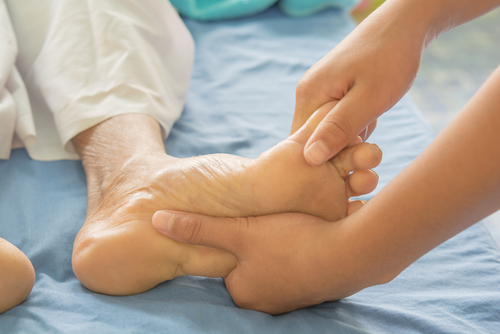
Feet naturally flatten out and widen with age, and fat pads, which had previously cushioned bones and joints, become worn down. This can cause foot pain, discomfort, and impaired mobility. Simple daily foot care can help older adults maintain foot and ankle health and prevent smaller issues from becoming serious ones. Shoes should be properly sized and offer arch and heel support. Feet should be kept clean to avoid infections and moisturized to avoid sores and cracked heels. Toenails should be trimmed straight across at the proper length to prevent ingrown toenails. Ankles should be elevated regularly to give heels a break from touching the floor or bed, which can lead to sores. If any type of foot sore develops, especially a diabetic ulcer, or there is any kind of foot or ankle pain, it is suggested that you seek the care of a podiatrist.
If you need your feet checked, contact one of our podiatrists of BayCity Associates in Podiatry . Our doctors will attend to all of your foot and ankle needs and provide you with quality treatment.
Geriatrics and Podiatry
When people age, some common issues that may occur are bone density loss, dry skin, poor circulation, and rough brittle nails. These issues may also affect your foot health if the necessary steps are not taken to alleviate the problems.
It is important to take care of your feet because feet that are injured or diseased can affect your overall health. Having painful feet hinders your ability to do daily activities or may decrease your willingness to do the things that you need to do.
Visiting Your Geriatrician
As we age, health problems become more likely, so it is essential to visit your doctor for check-ups to ensure that you are doing the best you can to take care of your health. It is recommended to check your feet frequently for any possible cuts, bruises, swelling, corns or any other irregularities.
Taking Care of Elderly Feet
Cracked or dry feet can be treated by applying moisturizer often. It is also important not to wear old socks because the older the sock is, the higher the possibility there will be that there is bacteria there. Wear fresh socks and make sure they fit properly.
Proper foot health means that you can have a more active lifestyle and you will not be bogged down by pain. Foot health also leads to good circulation, which is paramount for overall health.
If you have any questions, please feel free to contact our offices located in Erie, PA and Meadville, PA . We offer the newest diagnostic and treatment technologies for all your foot care needs.
Are Bunions Affecting Your Everyday Life?
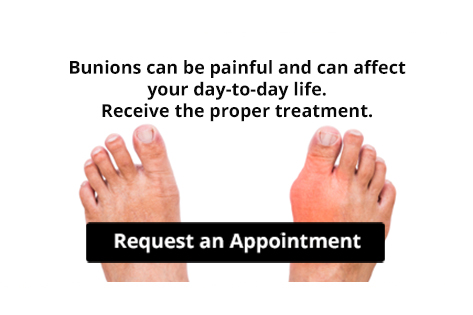
Have you noticed a bony protrusion on the side of your big toe? If so, you may have developed the foot condition known as a bunion. Don't let bunions interfere with your daily activities.
What Is Sesamoiditis?
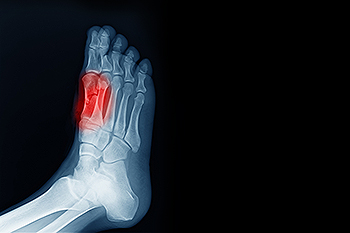
Sesamoiditis is the inflammation of two small sesamoid bones located beneath the big toe joint. It is often caused by repetitive stress, high impact activities, or wearing ill-fitting shoes. Athletes, dancers, and anyone who spend long periods on their feet are at a higher risk. Symptoms include pain and swelling under the ball of the foot, difficulty bending the big toe, and discomfort when walking or running. A podiatrist can provide a thorough evaluation, recommend custom orthotics, prescribe anti-inflammatory treatments, and develop a stretching and strengthening program to relieve pain and prevent recurrence. Early intervention is important for a successful recovery. If you have pain in this part of your foot, it is suggested that you consult a podiatrist to receive expert care and get back to pain-free movement.
Sesamoiditis is an unpleasant foot condition characterized by pain in the balls of the feet. If you think you’re struggling with sesamoiditis, contact one of our podiatrists of BayCity Associates in Podiatry . Our doctors will treat your condition thoroughly and effectively.
Sesamoiditis
Sesamoiditis is a condition of the foot that affects the ball of the foot. It is more common in younger people than it is in older people. It can also occur with people who have begun a new exercise program, since their bodies are adjusting to the new physical regimen. Pain may also be caused by the inflammation of tendons surrounding the bones. It is important to seek treatment in its early stages because if you ignore the pain, this condition can lead to more serious problems such as severe irritation and bone fractures.
Causes of Sesamoiditis
- Sudden increase in activity
- Increase in physically strenuous movement without a proper warm up or build up
- Foot structure: those who have smaller, bonier feet or those with a high arch may be more susceptible
Treatment for sesamoiditis is non-invasive and simple. Doctors may recommend a strict rest period where the patient forgoes most physical activity. This will help give the patient time to heal their feet through limited activity. For serious cases, it is best to speak with your doctor to determine a treatment option that will help your specific needs.
If you have any questions, please feel free to contact our offices located in Erie, PA and Meadville, PA . We offer the newest diagnostic and treatment technologies for all your foot care needs.
