Items filtered by date: September 2025
Types and Symptoms of Achilles Tendonitis

Achilles tendonitis causes pain and stiffness in the back of the heel, where the Achilles tendon connects the calf muscles to the bone. This tendon can be affected in two main ways. Insertional Achilles tendonitis occurs where the tendon attaches directly to the heel bone, sometimes involving bone spurs that rub against the tendon. Non-insertional Achilles tendonitis develops slightly higher up in the middle portion of the tendon, an area that has a limited blood supply, and often affects active people. Symptoms of Achilles tendonitis include aching or sharp pain at the back of the heel, tenderness when pressing the tendon, swelling, and visible thickening of the tendon. A podiatrist can evaluate the symptoms, provide imaging if needed, and discuss treatment options, including pain medication, exercises, or surgery, if required. If you are experiencing pain in the back of your heel, it is suggested that you make an appointment with a podiatrist for an exam, diagnosis, and treatment.
Achilles tendon injuries need immediate attention to avoid future complications. If you have any concerns, contact one of our podiatrists of BayCity Associates in Podiatry . Our doctors can provide the care you need to keep you pain-free and on your feet.
What Is the Achilles Tendon?
The Achilles tendon is a tendon that connects the lower leg muscles and calf to the heel of the foot. It is the strongest tendon in the human body and is essential for making movement possible. Because this tendon is such an integral part of the body, any injuries to it can create immense difficulties and should immediately be presented to a doctor.
What Are the Symptoms of an Achilles Tendon Injury?
There are various types of injuries that can affect the Achilles tendon. The two most common injuries are Achilles tendinitis and ruptures of the tendon.
Achilles Tendinitis Symptoms
- Inflammation
- Dull to severe pain
- Increased blood flow to the tendon
- Thickening of the tendon
Rupture Symptoms
- Extreme pain and swelling in the foot
- Total immobility
Treatment and Prevention
Achilles tendon injuries are diagnosed by a thorough physical evaluation, which can include an MRI. Treatment involves rest, physical therapy, and in some cases, surgery. However, various preventative measures can be taken to avoid these injuries, such as:
- Thorough stretching of the tendon before and after exercise
- Strengthening exercises like calf raises, squats, leg curls, leg extensions, leg raises, lunges, and leg presses
If you have any questions please feel free to contact our offices located in Erie, PA and Meadville, PA . We offer the newest diagnostic tools and technology to treat your foot and ankle needs.
What to Do if Your Foot Blister Pops
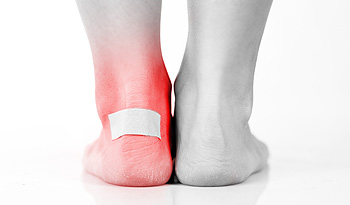
Blisters are fluid-filled pockets of skin that often occur on the feet as a result of friction. When a blister forms, you should avoid popping it, because draining the liquid within the blister leaves the raw skin beneath it exposed and vulnerable to infection. However, sometimes a blister pops or tears open on its own. When this happens, start with washing the area gently with clean water. Then, carefully smooth the flap of skin left behind from the popped blister over the tender, exposed skin beneath. Do not remove this flap of skin unless it is very dirty, torn, or has pus underneath it. Cover the area with a thin layer of petroleum jelly and a nonstick bandage. It is then a good idea to have the blister checked out by a podiatrist. If you have a particularly painful blister, notice signs of infection, or are prone to foot blisters, it is suggested that you make an appointment with a podiatrist.
Blisters are prone to making everyday activities extremely uncomfortable. If your feet are hurting, contact one of our podiatrists of BayCity Associates in Podiatry . Our doctors can provide the care you need to keep you pain-free and on your feet.
Foot Blisters
Foot blisters develop as a result of constantly wearing tight or ill-fitting footwear. This happens due to the constant rubbing from the shoe, which can often lead to pain.
What Are Foot Blisters?
A foot blister is a small fluid-filled pocket that forms on the upper-most layer of the skin. Blisters are filled with clear fluid and can lead to blood drainage or pus if the area becomes infected.
How Do Blisters Form?
Blisters on the feet are often the result of constant friction of skin and material, usually by shoe rubbing. Walking in sandals, boots, or shoes that don’t fit properly for long periods of time can result in a blister. Having consistent foot moisture and humidity can easily lead to blister formation.
Prevention & Treatment
It is important to properly care for the affected area in order to prevent infection and ease the pain. Do not lance the blister and use a Band-Aid to provide pain relief. Also, be sure to keep your feet dry and wear proper fitting shoes. If you see blood or pus in a blister, seek assistance from a podiatrist.
If you have any questions, please feel free to contact our offices located in Erie, PA and Meadville, PA . We offer the newest diagnostic and treatment technologies for all your foot care needs.
When Nerves Stop Sending Clear Signals
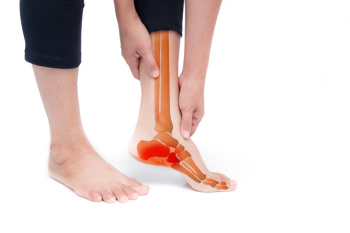
Peripheral neuropathy is a condition that affects the nerves outside the brain and spinal cord, often impacting the feet first. Tingling, burning, or numbness may appear, making it difficult to sense temperature, pain, or even the feeling of the ground while walking. Some people describe the sensation as wearing invisible socks or gloves. Diabetes is one of the most common causes, but neuropathy can also result from vitamin deficiencies, certain medications, or circulation problems. Because the nerves are not working properly, small injuries may go unnoticed and progress into serious wounds or infections. Balance can also be affected, increasing the risk of falls. While symptoms vary from mild to severe, they should never be ignored. If you are experiencing changes in sensation in your feet, it is suggested that you see a podiatrist for a diagnosis and management.
Neuropathy
Neuropathy can be a potentially serious condition, especially if it is left undiagnosed. If you have any concerns that you may be experiencing nerve loss in your feet, consult with one of our podiatrists from BayCity Associates in Podiatry . Our doctors will assess your condition and provide you with quality foot and ankle treatment for neuropathy.
What Is Neuropathy?
Neuropathy is a condition that leads to damage to the nerves in the body. Peripheral neuropathy, or neuropathy that affects your peripheral nervous system, usually occurs in the feet. Neuropathy can be triggered by a number of different causes. Such causes include diabetes, infections, cancers, disorders, and toxic substances.
Symptoms of Neuropathy Include:
- Numbness
- Sensation loss
- Prickling and tingling sensations
- Throbbing, freezing, burning pains
- Muscle weakness
Those with diabetes are at serious risk due to being unable to feel an ulcer on their feet. Diabetics usually also suffer from poor blood circulation. This can lead to the wound not healing, infections occurring, and the limb may have to be amputated.
Treatment
To treat neuropathy in the foot, podiatrists will first diagnose the cause of the neuropathy. Figuring out the underlying cause of the neuropathy will allow the podiatrist to prescribe the best treatment, whether it be caused by diabetes, toxic substance exposure, infection, etc. If the nerve has not died, then it’s possible that sensation may be able to return to the foot.
Pain medication may be issued for pain. Electrical nerve stimulation can be used to stimulate nerves. If the neuropathy is caused from pressure on the nerves, then surgery may be necessary.
If you have any questions, please feel free to contact our offices located in Erie, PA and Meadville, PA . We offer the newest diagnostic and treatment technologies for all your foot care needs.
Understanding Stress Fractures in Athletes
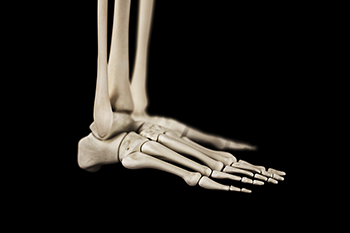
A stress fracture is a small crack in a bone that often develops from repetitive stress rather than a sudden injury. Athletes are particularly prone to stress fractures due to recurring movements, overtraining, wearing poor footwear, or sudden increases in activity. Symptoms include localized pain, swelling, and discomfort that worsens with activity. Managing stress fractures usually involves rest, activity modification, supportive footwear, and a gradual return to sports. A podiatrist can provide an accurate diagnosis through imaging, recommend treatment options, and guide rehabilitation to prevent further injury. If you are experiencing persistent foot pain or suspect a stress fracture, it is suggested that you promptly visit a podiatrist for expert care to help you heal properly and return to your activities safely.
Activities where too much pressure is put on the feet can cause stress fractures. To learn more, contact one of our podiatrists from BayCity Associates in Podiatry . Our doctors can provide the care you need to keep your pain free and on your feet.
Dealing with Stress Fractures of the Foot and Ankle
Stress fractures occur in the foot and ankle when muscles in these areas weaken from too much or too little use. The feet and ankles then lose support when walking or running from the impact of the ground. Since there is no protection, the bones receive the full impact of each step. Stress on the feet can cause cracks to form in the bones, thus creating stress fractures.
What Are Stress Fractures?
Stress fractures occur frequently in individuals whose daily activities cause great impact on the feet and ankles. Stress factors are most common among:
- Runners
- People affected with Osteoporosis
- Tennis or basketball players
- Gymnasts
- High impact workouts
Symptoms
Pain from the fractures occur in the area of the fractures and can be constant or intermittent. It will often cause sharp or dull pain with swelling and tenderness. Engaging in any kind of activity which involves high impact will aggravate pain.
If you have any questions please contact our offices located in Erie, PA and Meadville, PA . We offer the newest diagnostic and treatment technologies for all your foot and ankle needs.
Why Flip Flops Are Not Healthy for Your Feet
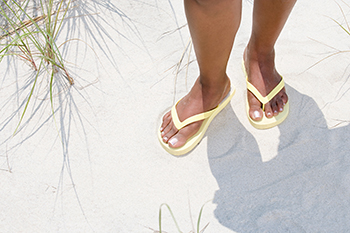
Flip-flops may feel convenient in warm weather, but they can have negative effects on foot health. Wearing them regularly alters the natural gait pattern and affects the biomechanics of the foot and ankle. This often leads to shorter strides and overworked muscles, which can contribute to pain and instability. Prolonged use may increase the risk of foot conditions such as plantar fasciitis, tendonitis, or stress injuries due to lack of support. A podiatrist can evaluate any issues caused by improper footwear and recommend healthier alternatives that provide stability and comfort. If you are experiencing foot discomfort from wearing flip-flops, it is suggested that you consult a podiatrist who can treat various conditions, and guide you on alternative shoe choices to consider.
Flip-flops are not always the best choice of footwear. If you have any concerns about your feet or ankles, contact one of our podiatrists from BayCity Associates in Podiatry . Our doctors will assist you with all of your foot and ankle needs.
Flip-Flops and Feet
When the weather starts warming up, people enjoy wearing flip-flops. Flip-flops are comfortable, stylish, and easy to slip on and off; they're perfect for any summer beach goer. However, these shoes can cause harm to the feet.
How Can Flip-Flops Affect Me Long-Term?
- Ankle problems
- Hip problems
- Lower back problems
- Pain in the balls of the feet
- Problems with foot arches
- Changes in the way you walk
Are There Injuries Associated with Flip-Flops?
Yes. Since flip-flops are relatively weak and do not provide the same amount of support as sneakers, people who wear flip-flops regularly are more susceptible to injuries. On top of that, the open nature of the shoe makes your feet more prone to other problems, such as cuts and even infections. Common injuries and ailments include:
- Sprained ankles
- Blisters
- Infections
- Cuts and Scrapes
I like Wearing Flip-Flops. Are There Safe Alternatives?
When buying flip-flops, try to find ones that have sturdy soles and that are made of high-quality materials that will support for your feet. These flip-flops will cost more but will also last longer as a result.
If you have any questions, please feel free to contact our offices located in Erie, PA and Meadville, PA . We offer the newest diagnostic and treatment technologies for all your foot care needs.
